Jeroen Dik’s Early Interest in Automotive Performance
The Story of the Dutch Tuning Expert Behind JD Engineering and His Impact on European VAG Performance Culture

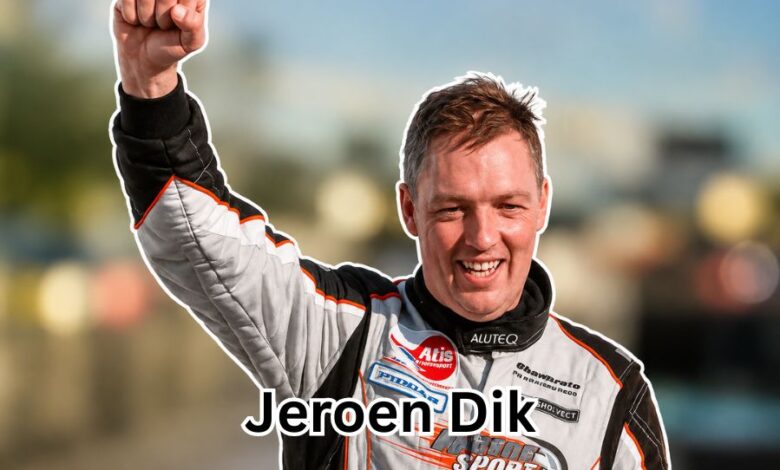
Jeroen Dik’s reputation in the automotive world did not appear overnight. His career developed from a strong interest in vehicle performance, engine technology, and practical motorsport engineering. As electronic engine management became increasingly important in European performance cars, Dik began developing the technical knowledge that would later become central to his professional career. Rather than concentrating only on mechanical modifications, he recognized that software calibration could play an equally important role in extracting reliable performance from modern engines.
His early experience became closely associated with Volkswagen performance vehicles, particularly models using engines that attracted a strong tuning community. Cars such as the Volkswagen Golf provided an ideal platform for enthusiasts who wanted improved acceleration, stronger power delivery, and competitive motorsport performance. Dik became known for experimenting with performance configurations, combining mechanical knowledge with careful engine management calibration.
That practical approach helped establish the foundation for what eventually became JD Engineering. This business would grow into a recognized name among Volkswagen Group enthusiasts in the Netherlands and beyond.
Quick Bio
| Field | Details |
|---|---|
| Full Name | Jeroen Dik |
| Profession | Automotive Tuner, Racing Driver, Performance Specialist |
| Nationality | Dutch |
| Known For | Founder of JD Engineering |
| Company | JD Engineering |
| Specialization | ECU Software Tuning and VAG Performance |
| Associated Brands | Volkswagen, Audi, SEAT, Škoda |
| Motorsport Highlight | 2011 Toerwagen Diesel Cup Champion |
| Industry | Automotive Performance and Motorsport |
| Country | Netherlands |
How Jeroen Dik Built JD Engineering
One of the most important chapters in Jeroen Dik’s professional story is the development of JD Engineering. The company grew around a relatively straightforward philosophy: performance improvements should not simply produce impressive numbers but should also work properly under real driving conditions. This approach helped distinguish professional calibration from poorly developed modifications that might increase peak power at the expense of reliability, drivability, or engine protection.
JD Engineering became particularly associated with VAG vehicles, covering brands connected with the Volkswagen Group. Volkswagen and Audi models have traditionally formed an important part of the European tuning scene, while vehicles from SEAT and Škoda often share related engines, transmissions, and electronic systems. This common engineering architecture created opportunities for highly specialized tuners to develop deep knowledge of particular engine families.
Jeroen Dik and his team focused heavily on understanding these systems rather than offering generic tuning solutions. ECU software, turbocharger behavior, fuel delivery, ignition timing, air management, torque limits, and transmission behavior can all influence the way a tuned vehicle performs. Proper calibration therefore requires much more than simply increasing boost pressure or changing a few software values.
Through JD Engineering, Dik built his reputation around this more technical understanding of performance tuning.
Why Jeroen Dik Became Known in the VAG Tuning Community
Specialization Rather Than General Tuning
A major reason for Jeroen Dik’s recognition is his specialized expertise in Volkswagen Group platforms. Modern cars are complex combinations of mechanical components and electronic control systems, meaning a tuner must understand how those systems interact.
Specialization allows a workshop to accumulate knowledge from hundreds, or even thousands, of vehicles with similar engines and drivetrains. Over time, technicians can identify common limitations, reliable performance ranges, temperature concerns, turbocharger characteristics, and transmission restrictions.
Jeroen Dik’s work developed within this specialist environment. Instead of approaching every vehicle as an entirely unfamiliar platform, JD Engineering could build on extensive previous experience with related engines and software systems.
That experience became particularly valuable as Volkswagen Group cars moved toward increasingly sophisticated turbocharged engines and electronically controlled transmissions.
Performance With Drivability in Mind
Another important aspect of professional tuning is maintaining normal road usability. A powerful vehicle may produce impressive dyno figures, but those figures matter little if the car becomes uncomfortable, unpredictable, or mechanically unreliable.
Dik’s tuning philosophy has generally been associated with achieving usable power and balanced performance. This means considering how torque is delivered across the rev range rather than focusing exclusively on the maximum horsepower figure.
Smooth throttle response, controlled turbocharger operation, sensible torque delivery, and appropriate safety parameters can help create a tuned car that feels stronger without losing the characteristics that made it enjoyable to drive in the first place.
Jeroen Dik’s Connection With Motorsport
Jeroen Dik is known not only for working behind a computer or in a tuning workshop. Motorsport has also played an important role in his automotive career, allowing him to experience performance vehicles under competitive conditions.
Racing provides valuable information that normal road driving cannot always reveal. Engines, transmissions, brakes, cooling systems, and tires are placed under far greater stress during competition. Problems that may remain hidden during ordinary driving can become obvious after repeated high-speed laps or hard acceleration.
Dik’s involvement in competitive driving therefore complemented his tuning work. It allowed him to understand vehicle behavior from both the engineering and driver perspectives.
One of his notable motorsport achievements was winning the Toerwagen Diesel Cup championship in 2011. The accomplishment strengthened his reputation as someone who understood performance not simply in theory but also through direct racing experience.
From G60 Performance Cars to Modern Software Tuning
The European tuning scene changed dramatically during Jeroen Dik’s career. Earlier performance projects often centered heavily on mechanical modifications, including upgraded superchargers, turbochargers, camshafts, exhaust systems, and fuel components.
Dik became associated with Volkswagen G60 performance tuning, an important part of the brand’s enthusiast culture. The G60 engine used Volkswagen’s distinctive G-Lader supercharger system and became a popular platform for performance modifications.
As automotive technology developed, however, tuning increasingly moved toward advanced electronics. Modern engines rely on complex engine control units that continuously manage boost pressure, fueling, ignition, emissions systems, temperature protection, and torque requests.
This technological transition made software expertise increasingly important. JD Engineering adapted to these developments, allowing Jeroen Dik’s work to evolve alongside modern vehicle technology.
Today, professional tuning involves understanding large amounts of electronic data. Changes must work together correctly, because altering one parameter may affect multiple other systems. This is especially relevant in cars equipped with sophisticated automatic or dual-clutch transmissions.
The Importance of ECU Calibration in Jeroen Dik’s Work
ECU tuning is sometimes described simply as “chipping” a vehicle, but modern calibration is considerably more complicated. The engine control unit contains numerous tables and control strategies that determine how an engine responds under different temperatures, loads, speeds, and driving situations.
Professional software tuning can adjust parameters to produce additional power while remaining within appropriate mechanical limits. However, the quality of the result depends heavily on the tuner’s understanding of the engine.
For Jeroen Dik, software calibration became a central part of his professional identity. Engine mapping, performance testing, and data analysis are essential when developing reliable tuning solutions.
A good calibration should produce consistent results rather than simply creating a dramatic dyno graph. Environmental temperature, fuel quality, engine condition, and hardware differences can all influence performance, which is why responsible tuning requires testing and technical judgment.
Dyno Testing and Performance Development
Another important element associated with professional performance workshops is dynamometer testing. A rolling road allows technicians to measure power and torque while observing how the engine behaves under controlled load.
For a specialist like Jeroen Dik, dyno testing provides far more information than a headline horsepower number. Tuners can monitor boost behavior, fueling, ignition correction, intake temperatures, exhaust conditions, and other performance indicators.
These measurements help determine whether modifications are operating safely and efficiently. They can also reveal mechanical issues that should be addressed before additional performance is requested.
Testing, measurement, and adjustment are therefore fundamental parts of serious automotive calibration. This methodical approach separates professional performance development from modifications based mainly on guesswork.
Jeroen Dik’s Influence on Enthusiast Car Culture
Jeroen Dik’s reputation extends beyond the workshop itself, as performance tuning has always been closely connected to enthusiast communities. Owners frequently exchange information about modifications, dyno results, racing experiences, and different tuning companies.
Within Volkswagen and Audi enthusiast circles, specialist tuners can develop strong reputations over many years. Consistent results, successful cars, motorsport participation, and word-of-mouth recommendations all contribute to that recognition.
Dik’s long association with Volkswagen Group vehicles has made his name familiar to many enthusiasts interested in VAG performance and ECU tuning. His career also reflects the wider transformation of the tuning industry from predominantly mechanical modifications to highly technical, software-driven performance development.
What Makes Jeroen Dik’s Career Significant?
The most interesting aspect of Jeroen Dik’s career is the combination of several automotive disciplines. He has worked as a performance tuner, technical specialist, businessman, and racing driver, giving him experience from multiple perspectives.
His motorsport background provides insight into how vehicles behave under demanding conditions, while his software tuning work requires detailed technical understanding. Meanwhile, establishing JD Engineering required turning specialist knowledge into a sustainable automotive business.
This combination helps explain why Dik became a recognizable figure within his particular segment of European car culture. His story is not simply about increasing horsepower. It is about understanding how mechanical engineering, electronics, testing, and driving experience come together to create better-performing vehicles.
Conclusion
Jeroen Dik has built a respected career around automotive performance, motorsport, and specialized vehicle tuning. Best known for his work with JD Engineering, he developed particular expertise in Volkswagen Group vehicles and became closely associated with ECU calibration and performance development.
His experience with Volkswagen performance platforms, involvement in competitive motorsport, and 2011 Toerwagen Diesel Cup championship victory demonstrate that his connection with high-performance cars extends beyond workshop tuning alone. Over the years, he has witnessed and participated in the transformation of the tuning industry from mechanical modification toward increasingly sophisticated software calibration.
For enthusiasts interested in Volkswagen, Audi, SEAT, Škoda, and related performance platforms, Jeroen Dik exemplifies how technical specialization, practical experience, and motorsport knowledge can translate into a long-standing professional reputation. His career remains closely connected with European VAG tuning culture, where engineering knowledge and real-world performance continue to matter as much as headline horsepower figures.
(FAQs)
1. Who is Jeroen Dik in the automotive industry?
Jeroen Dik is a Dutch automotive performance specialist, racing driver, and software tuner best known for founding JD Engineering and specializing in Volkswagen Group vehicles.
2. What is Jeroen Dik best known for?
He is best known for JD Engineering, a Netherlands-based performance-tuning company recognized for ECU calibration and tuning for Volkswagen, Audi, SEAT, and Škoda vehicles.
3. Did Jeroen Dik participate in professional motorsport?
Yes. Jeroen Dik has significant motorsport experience and notably won the Toerwagen Diesel Cup championship in 2011, adding competitive racing experience to his tuning career.
4. What type of cars does Jeroen Dik tune?
Jeroen Dik is particularly associated with Volkswagen Group performance cars, including vehicles from Volkswagen, Audi, SEAT, and Škoda, with a strong focus on engine software and performance optimization.
5. Why do car enthusiasts respect Jeroen Dik?
He is respected for combining technical tuning expertise, practical testing, motorsport experience, and decades of involvement in VAG performance culture, which has given him a strong reputation among European automotive enthusiasts.