Elizabeth Joseph: The Powerful Midlife Reinvention Behind The Menopause Guinea Pig
How Elizabeth Joseph Turned Her Perimenopause Journey Into a Powerful Platform for Midlife Health, Confidence and Reinvention

Introduction
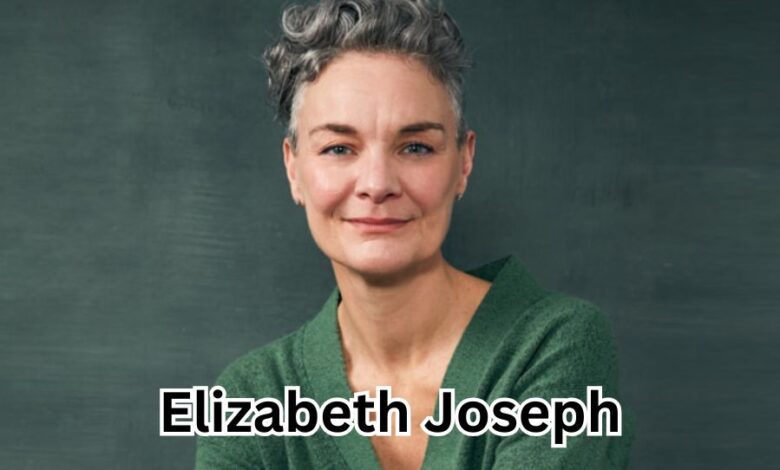
Elizabeth Joseph has developed a distinctive public voice by speaking openly about a stage of life that many women once felt expected to endure in silence. Known through her writing, speaking engagements, and social media presence as The Menopause Guinea Pig, she has used her own experience of perimenopause to encourage more honest conversations about women’s health, emotional well-being, ageing, and personal reinvention.
Her story is not only about managing menopause symptoms. It is also about rediscovering identity after years spent moving between professional and family roles. Elizabeth Joseph has worked as an actress, teacher and headhunter, while also spending time as a stay-at-home mother. In midlife, she began building a new career as a freelance writer, columnist, certified health coach, speaker and pro-age model.
What makes her journey especially engaging is the way humour and seriousness work together in her public voice. She acknowledges that menopause can involve confusion, anxiety and physical discomfort, but she also presents midlife as a period in which women can become more confident, adventurous and willing to reconsider what they want from life.
Quick Bio
| Field | Details |
|---|---|
| Full Name | Elizabeth Joseph |
| Nationality | British |
| Profession | Writer, speaker, columnist, health coach and pro-age model |
| Known For | Menopause awareness and midlife wellbeing advocacy |
| Public Identity | The Menopause Guinea Pig |
| Education | Master’s degrees in Applied Linguistics and Education |
| Previous Careers | Actress, teacher and headhunter |
| Main Topics | Perimenopause, menopause, confidence, ageing and reinvention |
| Media Work | Magazine columns, television discussions and public speaking |
| Career Message | Encouraging women to approach midlife as a powerful new beginning |
Who Is Elizabeth Joseph?
Elizabeth Joseph is a writer, columnist, wellness coach, model and women’s health campaigner whose public work focuses particularly on perimenopause, menopause and midlife wellbeing. Her online identity, The Menopause Guinea Pig, reflects her willingness to investigate different approaches, routines, and products related to the menopause experience and then discuss what she has learned.
Before becoming widely associated with women’s midlife health, Elizabeth followed a varied professional path. Public biographies describe her as having worked in acting, recruitment and education. She has also been identified as holding master’s degrees in Applied Linguistics and Education, reflecting an academic background that complements her experience as a teacher.
These chapters are important because they show that her current career did not develop along a single predictable route. Instead, her public profile emerged from a period of uncertainty and personal change. Her experience demonstrates how skills developed through education, communication, performance and family life can later combine to create an unexpected professional direction.
Elizabeth does not present herself primarily as a medical doctor or clinical researcher. Her strongest contribution comes from lived experience, storytelling, coaching and public advocacy. This distinction matters because much of her influence stems from making complex or uncomfortable subjects feel relatable rather than offering a single medical solution for every woman.
How Perimenopause Changed Elizabeth Joseph’s Direction
Elizabeth Joseph’s midlife reinvention began when she entered perimenopause without fully understanding what was happening to her. She has described experiencing changes that left her feeling unlike herself and worried that something more serious might be wrong.
According to accounts of her journey, the combination of physical discomfort, emotional changes and cognitive symptoms led her to fear conditions such as an autoimmune illness or early-onset dementia. At the time, she felt that there was not enough accessible conversation explaining how widely perimenopause could affect a woman’s body, confidence, sleep, mood and ability to think clearly.
That lack of preparation became a source of frustration. Rather than accepting the silence surrounding the subject, she began turning her experience into a form of public investigation. Her anger at feeling uninformed eventually became the motivation behind a new purpose: helping other women feel less isolated and better prepared. This shift led naturally into the project that defined her public voice.
This part of her story reflects a wider problem within discussions of women’s health. Many people grow up hearing about puberty and pregnancy but receive comparatively little practical information about perimenopause. As a result, symptoms may be misunderstood or treated as unrelated problems. Elizabeth’s work addresses this gap through personal accounts that make women feel recognised, even when their individual experiences are not identical to hers.
The Creation of The Menopause Guinea Pig
The name The Menopause Guinea Pig captures the curious and experimental character of Elizabeth Joseph’s work. Instead of describing menopause only through formal medical language, she began exploring a wide range of wellbeing practices, lifestyle adjustments and products linked to symptom management.
Her reported experiments have included familiar approaches such as supplements, relaxation practices, and cold-water swimming, alongside more unusual experiences such as cacao ceremonies, mouth taping, and womb massage. The purpose of this experimentation has not been to claim that every method works for everyone. Rather, it has provided material through which she can discuss the realities, promises and occasional absurdities of the menopause wellness market.
This willingness to try different things gives her writing a personal quality. Readers are not simply presented with a list of possible remedies. They are invited into the experience of a woman attempting to understand her changing body while sorting useful ideas from exaggerated expectations. That experimental approach also frames the advice she shares with greater clarity.
It is still important for audiences to recognise that personal experience is not a substitute for individual medical advice. Menopause symptoms, treatment suitability and personal health risks differ considerably. Elizabeth’s role is most valuable when understood as that of a communicator and campaigner who encourages conversation, curiosity and informed decision-making.
Honesty and Humour as Communication Tools
One of the most recognisable features of Elizabeth Joseph’s public work is her use of humour. Menopause discussions can easily become heavily clinical or overwhelmingly negative. Her writing creates space to acknowledge difficult subjects without making women feel that midlife is defined entirely by loss.
She has discussed symptoms including disrupted sleep, hot flushes, mood changes, brain fog, aching joints, skin changes and irregular periods. However, her approach frequently places these experiences within funny, candid and recognisable stories.
Humour serves a practical purpose here. It can reduce embarrassment, encourage people to talk and remind women that unusual symptoms are not personal failures. By combining comedy with vulnerability, Elizabeth has helped create a tone in which menopause can be discussed openly without becoming either trivialised or frightening. This tone carries through much of her writing and speaking.
Elizabeth Joseph’s Writing and Column Work
Writing has become a central part of Elizabeth Joseph’s second career. She has contributed columns examining menopause, women’s health, identity and the possibilities of later-life reinvention.
Her column Women of a Certain Rage explored the frustration and confusion that can accompany perimenopause. The title captured both her candid style and her refusal to present midlife women as passive or invisible. Through this work, she documented personal experiments while addressing symptoms and emotional experiences that many readers recognised in their own lives.
She later developed the idea of the Second Act, focusing on women who had made bold changes during midlife. These stories widened her subject beyond menopause management. They presented ageing as a stage in which a person might begin a business, enter a new profession, learn an unusual skill or finally pursue an ambition that had previously been postponed.
Elizabeth has also been connected with publications covering mature lifestyles and menopause awareness. Her writing career demonstrates how a personal health experience can evolve into journalism and advocacy when approached with curiosity, discipline, and a clear understanding of the audience’s concerns.
Television Appearances and Public Speaking
Elizabeth Joseph’s work has extended beyond columns and social media. She has appeared as a guest in menopause-focused television content, including discussions associated with QVC’s Menopause Your Way. Such appearances have allowed her to bring personal experience into broader conversations about products, wellbeing and the changing needs of women in midlife.
She has also spoken at lifestyle events, workplace programmes, wellbeing festivals and corporate discussions. Her speaking subjects commonly include menopause awareness, mental wellbeing, stress management, women’s health and the importance of supporting female employees through different life stages.
Her earlier experience in acting and teaching is particularly relevant to this part of her career. Acting can provide confidence in front of an audience, while teaching requires the ability to organise information and explain it clearly. Combined with her personal knowledge of perimenopause, these skills support a speaking style built around empathy, accessibility and audience connection. They also help explain her move into wider public engagement.
Workplace menopause awareness has become an especially significant area of discussion. Symptoms such as poor sleep, anxiety, reduced concentration and unpredictable temperature changes can affect professional confidence and performance. Advocates such as Elizabeth help organisations understand why supportive policies and informed managers matter.
Becoming a Pro-Age Model in Midlife
Another important part of Elizabeth Joseph’s reinvention has been her work as a classic and pro-age model. She began modelling in midlife, challenging the assumption that fashion, advertising and visual media should focus almost exclusively on younger faces. That move extended her broader message about visibility and reinvention into a new arena.
Pro-age modelling does not treat ageing as a flaw that must be hidden. Instead, it promotes realistic representation and recognises that older consumers want to see themselves reflected in media. Elizabeth’s involvement in modelling therefore supports the same message found in her writing: women should not be expected to become invisible as they grow older.
Her modelling work also carries personal meaning. She has spoken about losing confidence during perimenopause before gradually rediscovering a stronger sense of self. Entering modelling at that stage represented more than a career opportunity. It became visible evidence that midlife could contain unexpected beginnings.
This element of her story may be especially encouraging to women who believe they have missed the ideal age for changing direction. Elizabeth’s journey suggests that experience, personality and self-knowledge can become valuable professional strengths rather than disadvantages.
Why Elizabeth Joseph’s Message Connects With Women
Elizabeth Joseph’s influence is rooted in relatability. She does not present a flawless transformation in which every problem disappears. Instead, she discusses uncertainty, experimentation, and gradual change. This makes her work accessible to women who are still trying to understand their own symptoms or identities.
Her story also connects with people experiencing what is sometimes called the sandwich generation stage of life. Midlife women may be caring for children, supporting ageing parents, managing demanding careers and coping with hormonal changes simultaneously. Under such pressure, personal needs can easily be pushed aside.
Elizabeth’s message encourages women to reconsider that pattern. Putting time into sleep, health, confidence and future ambitions is not necessarily selfish. It can be a necessary part of remaining well and building a sustainable life.
Her belief that a woman’s second act can be her best is therefore more than a motivational phrase. It challenges cultural ideas suggesting that youth is the main period for creativity, attractiveness or professional growth.
A Privacy-Conscious Public Profile
Although Elizabeth Joseph has shared personal aspects of her menopause journey, much of her wider private life remains outside the centre of her public identity. Details about her family, finances, and intimate relationships are not necessary to understand her professional contribution.
Her profile is best approached through the work she has deliberately placed in public view: her writing, coaching, modelling, speaking and menopause campaigning. Maintaining this distinction respects her privacy while still allowing readers to appreciate the experiences that shaped her career.
It also prevents a useful women’s health story from being reduced to celebrity-style speculation. Elizabeth is notable for the conversations she has encouraged and the example of reinvention she represents, not for unverified claims about her personal circumstances.
What Makes Elizabeth Joseph’s Work Different?
Many menopause advocates concentrate primarily on clinical education, workplace policy or lifestyle coaching. Elizabeth Joseph’s distinctive strength lies in combining several approaches. She brings together personal experimentation, humour, journalism, modelling and motivational speaking.
Her willingness to admit confusion makes her approachable. Her curiosity creates useful material. Her humour removes some of the fear surrounding menopause, while her public reinvention gives audiences a practical example of starting again.
She also avoids presenting midlife solely as a medical challenge. Menopause remains a major part of her platform, but her wider message concerns confidence, visibility and personal possibility. This broader perspective helps explain why her work appeals to women interested not only in symptom relief but also in deciding what the next stage of their lives should look like.
Conclusion
Elizabeth Joseph has turned a difficult and bewildering experience of perimenopause into a meaningful public career. Through The Menopause Guinea Pig, she has spoken candidly about symptoms, tested different wellbeing approaches and helped make menopause conversations more accessible.
Her professional journey includes work as a teacher, actress, headhunter, mother, writer, columnist, certified health coach, speaker and pro-age model. Rather than treating these roles as disconnected, she has drawn on them to create a distinctive platform built around communication, lived experience and midlife empowerment.
The most important lesson in Elizabeth Joseph’s story is that reinvention does not belong only to the young. Her work challenges the idea that women should become quieter, less ambitious or less visible with age. By speaking honestly about menopause while celebrating new beginnings, she presents midlife not as an ending but as an opportunity to understand oneself more clearly and begin a powerful second act.
(FAQs)
Who is Elizabeth Joseph and why is she known?
Elizabeth Joseph is a British writer, speaker, certified health coach, columnist and pro-age model. She is best known publicly as The Menopause Guinea Pig, a platform through which she shares honest insights about perimenopause, menopause and midlife wellbeing.
What is The Menopause Guinea Pig platform?
The Menopause Guinea Pig is Elizabeth Joseph’s public identity and women’s wellbeing platform. Through it, she explores menopause-related experiences, lifestyle practices and wellness approaches while encouraging open and practical conversations about women’s health.
What did Elizabeth Joseph do before writing?
Before developing her career as a writer and menopause campaigner, Elizabeth Joseph reportedly worked in several professional fields, including acting, teaching and recruitment. Her varied background helped her develop strong communication, presentation and storytelling skills.
Why did Elizabeth Joseph become a menopause campaigner?
Elizabeth Joseph became interested in menopause advocacy after experiencing confusing perimenopause symptoms without initially understanding their cause. Her personal experience motivated her to help other women feel better informed, supported and less alone during midlife.
Is Elizabeth Joseph also a professional model?
Yes, Elizabeth Joseph has worked as a classic and pro-age model. Her modelling career supports her wider message that women can remain confident, visible, ambitious and professionally active throughout midlife and beyond.