Fiber Linen: A Complete Guide to Its Natural Strength, Comfort, Uses, and Benefits
Discover the Natural Strength, Breathability, Uses, Benefits, and Lasting Appeal of Fiber Linen

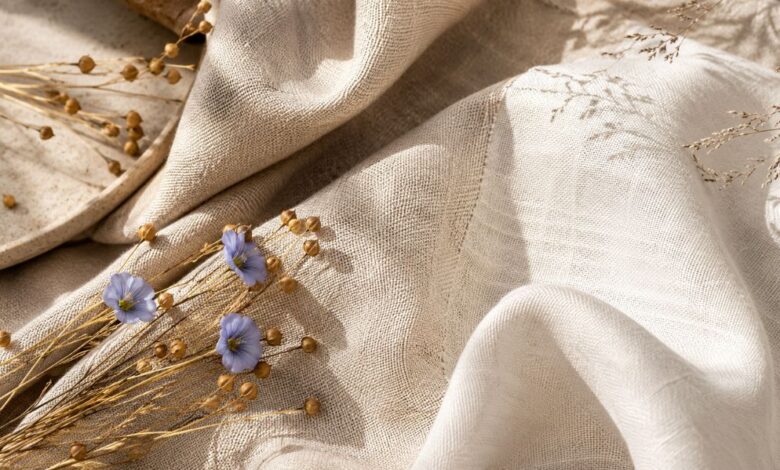
Fiber Linen is one of the oldest and most respected natural textile materials in the world, valued for its distinctive texture, exceptional breathability, impressive strength, and ability to become softer with continued use. Linen is produced primarily from the fibers found inside the stalk of the flax plant. This crop has been cultivated for thousands of years for clothing, household fabrics, decorative textiles, and practical materials. Unlike many synthetic fabrics made from petroleum-based materials, linen is a plant-based fiber. It passes through several carefully controlled stages before becoming the smooth, woven material commonly used today.
The appeal of linen goes beyond appearance. Its natural structure allows air to circulate easily, helping the fabric feel cool and comfortable in warm conditions. At the same time, its fibers are remarkably strong and can absorb moisture without immediately feeling damp. These characteristics have made Fiber Linen an important material in fashion, home furnishings, hospitality, interior design, and traditional textile production. Understanding how linen is produced and why its properties differ from those of cotton, polyester, and other fabrics helps explain why it continues to hold a premium position in the modern textile industry.
What Is Fiber Linen?
Fiber Linen is a natural bast fiber obtained from the stem of the flax plant, scientifically known as Linum usitatissimum. Bast fibers are found in the inner bark or stem tissues of certain plants and are valued because they can form long, strong strands suitable for spinning into yarn.
Once extracted and processed, flax fibers are spun into linen yarn, which can then be woven or knitted into various fabrics. Depending on the yarn thickness, weaving technique, and finishing process, linen can range from fine, lightweight clothing fabric to heavy upholstery and furnishing materials.
One of the most recognizable features of linen is its slightly textured surface. Small variations in the yarn may appear naturally throughout the fabric, giving linen its characteristic visual depth. High-quality modern processing can produce extremely smooth linen, while traditionally manufactured varieties may retain a more rustic appearance.
How Fiber Linen Is Produced
The transformation from flax plant to finished linen fabric requires several stages. The quality of the final textile depends heavily on how carefully these steps are performed.
Growing and Harvesting Flax
Flax plants used for textile production are generally grown in climates that provide suitable moisture and moderate temperatures. Flax is usually harvested before the plant becomes fully mature because younger stems tend to yield finer, more flexible fibers.
Rather than simply cutting the plants near ground level, traditional flax harvesting may involve pulling the entire plant from the soil. This approach helps preserve the maximum possible fiber length.
Retting and Fiber Separation
After harvesting, the flax stalks undergo a process called retting. During retting, natural biological or moisture-related processes help loosen the substances that bind the valuable fibers to the woody parts of the stem.
The stalks can then be dried and mechanically processed to separate the fibers. Further preparation removes shorter fragments and aligns the longer fibers into bundles suitable for spinning.
Spinning and Weaving
Prepared flax fibers are spun into yarn. Fine fibers can create smooth, lightweight linen, while thicker fibers produce stronger and heavier materials.
The yarn is then woven into fabric using different patterns and densities. Manufacturers may subsequently wash, soften, dye, bleach, or finish the material depending on its intended purpose. The finishing stage can significantly influence linen’s softness, appearance, shrinkage, and overall feel.
Why Fiber Linen Is Known for Strength
One of linen’s most important characteristics is its impressive tensile strength. Flax fibers are naturally rigid and strong, allowing linen fabric to withstand considerable wear.
This durability makes linen particularly suitable for products that are washed frequently, including tablecloths, napkins, bedding, towels, uniforms, and hospitality textiles. A well-made linen product can remain useful for many years when cared for correctly.
Interestingly, linen fibers can become stronger when wet, although rough mechanical handling can still damage woven fabric. This combination of moisture resistance and structural strength helped make linen valuable long before modern synthetic fibers became available.
Breathability and Comfort of Fiber Linen
Linen is especially popular in warm climates because its construction encourages airflow around the body. The fibers do not usually cling tightly to the skin as some synthetic fabrics do.
Another advantage is moisture absorption. Linen can absorb perspiration and release moisture relatively efficiently, contributing to a cooler, more comfortable feeling in hot weather.
This is one reason linen shirts, dresses, trousers, suits, bedding, and summer accessories remain popular. The fabric may initially feel slightly crisp, but repeated washing and wear generally soften quality linen while allowing it to retain much of its strength.
Common Uses of Fiber Linen
Modern Fiber Linen appears in far more products than just summer clothing. Its combination of visual character, practicality, durability, and natural origin allows it to serve both decorative and functional purposes.
Linen in Fashion
Fashion designers use linen for shirts, trousers, dresses, jackets, skirts, suits, scarves, and casual summer clothing. Lightweight linen offers ventilation, while medium-weight varieties can create structured garments with an elegant natural drape.
Linen garments are also appreciated for their relaxed appearance. Wrinkles are common because flax fibers have relatively low elasticity, meaning they do not quickly return to their original shape after bending. Rather than being considered a defect, gentle creasing is often viewed as part of linen’s authentic character.
Linen in Home Furnishings
Interior designers commonly use linen for curtains, cushions, upholstery, table coverings, bedding, and decorative accessories. Neutral linen shades can create a simple natural atmosphere, while dyed linen offers considerably broader design possibilities.
Linen curtains are especially valued because they can filter light while maintaining an airy appearance, depending on their thickness and weave.
Linen Bedding
Sheets, duvet covers, pillowcases, and other bedding products are another major application. Linen bedding can provide good airflow and moisture management, making it suitable for people who prefer breathable sleeping materials.
It also develops a softer surface through repeated washing, which means high-quality linen bedding may improve in comfort over time rather than quickly deteriorating.
Fiber Linen Compared With Cotton
Linen and cotton are both plant-based fibers, but they behave differently because they originate from different parts of their respective plants.
Cotton fibers grow around the seeds of the cotton plant, while linen fibers come from flax stems. Cotton is generally softer immediately after manufacturing, whereas linen often begins with a firmer texture that gradually softens.
Linen is typically stronger and more naturally crisp, while cotton often provides greater initial softness and flexibility. Linen also tends to offer excellent airflow and moisture release, making it particularly desirable for warm-weather products.
Neither material is automatically better in every situation. Cotton may be preferable when softness and easy maintenance are priorities, while linen is attractive when durability, breathability, texture, and natural appearance are more important.
Environmental Characteristics of Fiber Linen
Growing interest in natural materials has drawn increased attention to linen in discussions of sustainable textiles. Flax can offer several environmental advantages depending on where and how it is cultivated and processed.
The flax plant can sometimes require relatively modest amounts of irrigation compared with certain other fiber crops, particularly when grown in suitable rainfall conditions. Many parts of the plant can also be used for different purposes, reducing potential agricultural waste.
However, natural does not automatically mean environmentally perfect. Retting methods, chemicals, dyes, transportation, energy consumption, manufacturing efficiency, and product lifespan all influence the environmental impact of finished linen.
Consumers seeking more responsibly produced linen should therefore consider the complete manufacturing process rather than judging sustainability only by fiber type.
Important Qualities of High-Quality Linen
Quality linen generally begins with strong, properly prepared flax fibers. Longer fibers are often associated with smoother, stronger yarns, although manufacturing technique also has a major influence on the finished fabric.
A good linen textile should feel substantial for its intended weight without appearing unusually weak or unstable. The weave should be appropriate for its purpose, and finishing should not disguise poor construction.
Some linen is intentionally stonewashed or softened to create a relaxed texture from the beginning. Other varieties are left crisp because customers may prefer the structured appearance of traditional linen.
Fabric weight, yarn quality, weave density, fiber length, finishing treatment, and craftsmanship all contribute to linen quality.
How to Care for Fiber Linen
Proper care can significantly extend the life of linen products. Many washable linen items can be cleaned using cool or moderately warm water with a gentle detergent. Extremely aggressive washing, harsh chemicals, and excessive heat may unnecessarily stress the fibers or affect finishes and dyes.
Linen naturally wrinkles, so people who prefer a smooth appearance may iron it while the fabric is slightly damp. Others choose to leave linen unironed because the relaxed creases are considered part of its natural aesthetic.
Overdrying should generally be avoided, especially for delicate linen. Following the manufacturer’s care label remains the safest approach, as linen products may contain different dyes, blends, coatings, or decorative treatments.
Pure Linen and Linen Blends
Not every product described as linen-style fabric is made entirely from flax fiber. Manufacturers often combine linen with cotton, viscose, polyester, or other fibers to modify cost, softness, wrinkle resistance, drape, or durability.
A linen-cotton blend, for example, may retain some of linen’s breathability and texture while providing the softer feel associated with cotton. Linen-viscose blends may offer greater fluidity and drape, while synthetic blends can improve wrinkle resistance.
Pure linen remains desirable for consumers who specifically want the traditional characteristics of natural flax fiber, but blends can be practical when particular performance qualities are required.
Why Fiber Linen Remains Popular
Linen has survived thousands of years of changing fashion because it combines functionality with an appearance that is difficult to reproduce perfectly through artificial materials. Modern consumers may appreciate it for reasons different from those of ancient textile makers, yet its core qualities remain relevant.
Its breathable structure supports comfortable clothing, its strength contributes to durable household products, and its textured surface fits both traditional and contemporary interior styles. Growing interest in natural fibers has also introduced linen to new audiences seeking alternatives to fully synthetic materials.
Perhaps most importantly, linen develops character through use. Instead of necessarily becoming less appealing with age, good linen often becomes softer, more relaxed, and more comfortable, helping explain why well-maintained linen items can remain valued for years.
Conclusion
Fiber Linen is a versatile natural textile made from the strong inner fibers of the flax plant, offering durability, breathability, moisture management, a distinctive texture, and long-term usability. From flax cultivation and retting to spinning, weaving, and finishing, each production stage helps determine the quality and performance of the final fabric.
Its applications extend across clothing, bedding, curtains, upholstery, table textiles, and many other products, while its natural character continues to make it attractive in both fashion and interior design. Linen does wrinkle more readily than many synthetic fabrics and may require thoughtful care. Still, these characteristics are balanced by its strength, comfort, and ability to soften with continued use.
Whether chosen for a lightweight summer shirt, breathable bedding, elegant curtains, or durable household textiles, Fiber Linen remains one of the most practical and enduring natural fibers in the textile world. Its long history, distinctive performance, and continuing relevance demonstrate why linen has remained valuable across generations and continues to hold an important place in modern fabric production.
(FAQs)
1. What is Fiber Linen?
Fiber Linen is a natural textile made from flax plant fibers, known for its strength, breathability, durability, and distinctive texture.
2. Is Fiber Linen good for summer?
Yes, Fiber Linen is excellent for summer because it is lightweight, breathable, moisture-absorbing, and comfortable in warm weather.
3. Is Fiber Linen stronger than cotton?
Linen fibers are generally stronger and more durable than cotton fibers, although cotton often feels softer when it is new.
4. Does Fiber Linen become softer over time?
Yes. High-quality Fiber Linen naturally becomes softer after repeated washing and regular use while maintaining much of its durability.
5. What is Fiber Linen commonly used for?
Fiber Linen is widely used for shirts, dresses, trousers, bedding, curtains, tablecloths, upholstery, towels, and decorative home textiles.
