Mary Nightingale Illness: The Truth About Her Health, Voice Concerns, and Latest Updates
What We Know About Her Health, Voice Concerns, and the Truth Behind Online Rumors

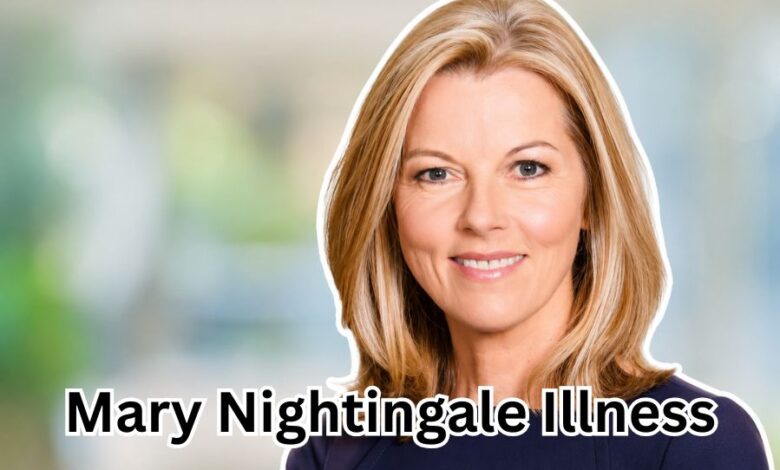
Searches for Mary Nightingale Illness have increased because ITV News viewers sometimes notice changes in a presenter’s voice or delivery and wonder whether something is wrong. Mary Nightingale has been one of Britain’s most familiar news presenters for decades, so even a brief cough or strained voice can attract attention online. Yet health speculation can quickly move beyond the evidence.
There is no reliable public confirmation that Nightingale has been diagnosed with the serious long-term diseases sometimes claimed on low-quality websites. She has continued working with ITV during 2026. The best approach is to separate confirmed information from online speculation while respecting her medical privacy.
Mary Nightingale Illness: Is There a Confirmed Diagnosis?
The most important fact is simple: there is no credible, publicly verified announcement confirming that Mary Nightingale has a major illness such as cancer or another serious chronic disease. Some websites have published detailed claims about diagnoses, treatment, recovery, or time away from television. Still, those details are not supported by a clear statement from Nightingale, ITV, or another reliable primary source. Once an unverified claim appears online, other sites can repeat it until it begins to look established. Repetition, however, does not make a medical claim true.
ITV’s own profile still identifies Mary Nightingale as an Evening News presenter. In May 2026, ITV also published a report under her name following an interview with Mark Prince, showing that she remained professionally active. This does not reveal everything about her health, but claims that she permanently left television because of a confirmed serious illness lack reliable support.
Why the Rumors Became So Persistent
Much of the interest appears to have developed from viewer observations rather than an official medical disclosure. People watching live television have occasionally commented online that Nightingale sounded as though she had a cough, a hoarse voice, or difficulty completing sentences. A broadcaster’s voice is especially noticeable because it is central to the job, and regular viewers become familiar with small changes in tone, breathing, pace, and pronunciation.
The problem begins when an observation becomes a diagnosis. A person can sound hoarse for many ordinary reasons, including a temporary cold, dry air, fatigue, allergies, heavy voice use, or throat irritation. Those are general possibilities, not explanations of Nightingale’s condition. No responsible article can determine a medical diagnosis from a television broadcast alone. Without direct confirmation, it is more accurate to say that viewers have occasionally noticed changes in her voice while the cause remains unconfirmed.
What Happened to Mary Nightingale’s Voice?
Questions about her voice are a major reason the phrase “Mary Nightingale Illness” appears in searches. Presenting national news requires long periods of clear speaking under pressure, including rehearsals, interviews, live introductions, and breaking updates. Even minor throat irritation can therefore become noticeable to viewers.
Viewers have discussed moments when Nightingale appeared to cough, catch her breath, or sound slightly strained. These observations do not establish a lasting medical condition. Live broadcasting can make ordinary discomfort look more dramatic because there is little opportunity to stop or restart. Anyone can have a short coughing episode.
Voice Changes Do Not Automatically Mean Serious Illness
Do not treat voice changes as evidence of a specific disease. Hoarseness, coughing, throat clearing, or breathiness can occur for many reasons. Persistent symptoms can sometimes require medical assessment, but only a qualified clinician who has examined the patient can identify the cause. No public evidence allows readers to conclude that Nightingale’s occasional on-air voice changes are connected to a particular diagnosis.
This is where some online coverage becomes misleading. Articles may take genuine viewer concerns and fill in missing information with invented medical details. Claims about specialist tests, cancer diagnoses, vocal-cord damage, or formal recovery programs should not be presented as fact unless they can be traced to trustworthy reporting or a statement from Nightingale herself. Health information deserves a higher standard of verification than ordinary celebrity gossip.
Mary Nightingale’s Career and Why Viewers Notice Changes
Born in Scarborough in 1963, Mary Nightingale built a career across business journalism, regional television, travel, and sports programming before becoming closely associated with ITV News. She joined the ITV Evening News in the early 2000s and later became its principal presenter. Her long national television career has made her voice and presentation style instantly recognizable.
That familiarity explains why small changes attract attention. A different-sounding voice, a missed bulletin, or an unusual delivery can quickly prompt questions. Social media can then amplify those questions, while publishers may create stories around a topic even when little information is confirmed.
ITV has continued to feature Nightingale prominently. Her presenter profile identifies her as a presenter on the ITV Evening News, while recent reporting shows her continuing to work as a journalist. There has been no confirmed announcement that a serious illness has ended her broadcasting career.
Separating Public Concern From Medical Fact
Concern for a familiar television personality is understandable, but concern is not evidence. A responsible discussion of Mary Nightingale Illness should separate three things: what viewers have noticed, what websites have claimed, and what reliable sources have confirmed. Viewer observations may explain why people are searching, while website claims may include speculation. Only properly verified information should be treated as fact.
At present, the confirmed public picture is limited. Nightingale continues to be identified by ITV as an Evening News presenter and remains professionally active. No authoritative public disclosure has established the dramatic diagnoses some online pages attribute to her. Writers should therefore avoid presenting unverified medical details as part of her biography.
Why Privacy Matters Even for Public Figures
Television presenters are public figures, but their medical records remain private. They may discuss a health issue openly or keep it personal. Unless a condition has been publicly disclosed, guessing at medical information can easily become unfair or inaccurate.
Responsible coverage should use careful language. Phrases such as “viewers speculated” or “there has been no public confirmation” are more accurate than declaring a diagnosis without evidence. This approach protects readers from misinformation and prevents unsupported claims from becoming permanently attached to someone’s name.
Is Mary Nightingale Still Working on ITV News?
Yes. Public information available in 2026 shows that Mary Nightingale remains connected with ITV Evening News and continues to work as a journalist and presenter. ITV’s official profile still lists her in that role, and ITV credited her in May 2026 for an interview-based report involving Mark Prince. This matters because some online stories have suggested that illness forced her to step away permanently. The current public record does not support that claim.
Being professionally active does not allow outsiders to assume they know every aspect of someone’s health. People can work while managing private health concerns, just as healthy people can experience temporary coughing or vocal problems. The strongest conclusion is that there is no verified basis for claiming Nightingale left ITV because of a serious illness.
Why Accurate Health Reporting Matters
Health-related celebrity searches carry responsibility. False medical stories can cause unnecessary alarm, invade privacy, and mislead readers. An article should never turn a visible cough into a diagnosis or treat another website’s unsourced claim as confirmation.
For readers, the best approach is to look for a direct statement from the individual, their representative, or employer, or from a reputable news organization that cites identifiable sources. If those sources don’t exist, the honest answer may be that the information isn’t publicly confirmed. That is more useful than filling gaps with speculation.
Conclusion
The truth behind Mary Nightingale Illness is less dramatic than many online headlines suggest. Viewers have occasionally commented on changes in her voice, coughing, or apparent discomfort during broadcasts, fueling repeated health searches. However, no reliable public confirmation exists of a serious long-term diagnosis, such as the conditions sometimes claimed by unverified websites.
Mary Nightingale has continued her work with ITV, and official ITV material in 2026 still identifies her as a presenter of the ITV Evening News. While that does not reveal every detail of her private health, it shows why claims of a confirmed career-ending illness should be treated cautiously. The clearest conclusion is that her medical status remains private unless she chooses to disclose it, and readers should rely on verified statements rather than speculation. Respecting evidence, accuracy, and privacy is the best way to understand the story behind the search term.
(FAQs)
1. Does Mary Nightingale have a confirmed illness?
Mary Nightingale of ITV has publicly confirmed there is no serious long-term illness.
2. Why are people searching for Mary Nightingale Illness?
Viewers have occasionally noticed changes in her voice or coughing during broadcasts, which has led to online speculation.
3. What happened to Mary Nightingale’s voice?
The exact reason for any noticeable voice changes has not been officially disclosed or medically confirmed.
4. Is Mary Nightingale still working for ITV?
Yes, Mary Nightingale remains associated with ITV News and stays professionally active.
5. Has Mary Nightingale revealed any serious health diagnosis?
No verified public statement confirms that Mary Nightingale has disclosed a serious or career-ending health condition.