Mentaiko: The Bold Japanese Delicacy That Brings Heat, Umami, and Tradition to the Table
Discover the Spicy Flavor, History, Culinary Uses, and Cultural Importance of Japan's Famous Seasoned Pollock Roe

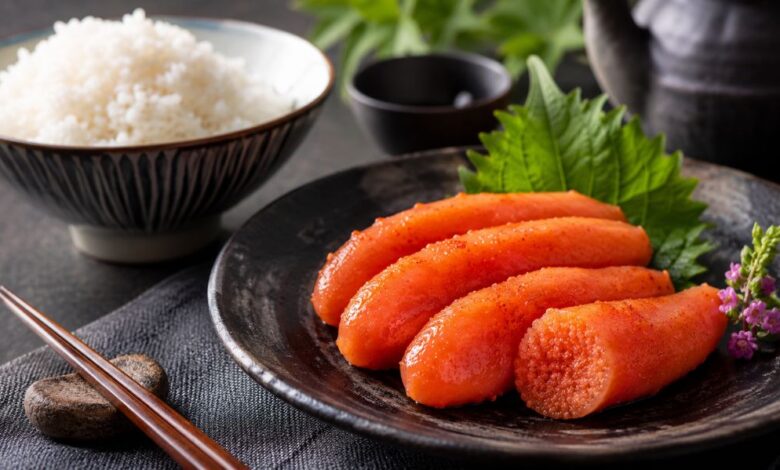
Mentaiko is one of those Japanese foods that can look simple at first glance yet reveal remarkable depth once you understand how it is prepared and eaten. Made from salted and seasoned pollock roe, Mentaiko is especially known for its rich umami taste, gentle marine character, and distinctive spicy kick. It appears in traditional meals, rice dishes, pasta, snacks, convenience-store foods, and modern restaurant creations, making it far more versatile than its small size might suggest.
Although it is closely associated with Japanese cuisine today, its story also reflects cultural exchange, regional adaptation, and the Japanese talent for turning a concentrated ingredient into something that can transform an entire dish.
What Is Mentaiko?
Mentaiko is the seasoned roe, or egg sac, of pollock, most commonly Alaska pollock. The roe is usually cured with salt and flavored with a seasoning mixture that may include red chili pepper, savory ingredients, and other seasonings designed to deepen its flavor. The result is a soft, slightly granular delicacy with a salty, spicy, and intensely savory profile.
It is important to distinguish Mentaiko from tarako, another popular form of pollock roe in Japan. Tarako is generally salted but not strongly seasoned with chili, while Mentaiko is recognized for its spicy seasoning. The two ingredients are closely related and can appear in similar dishes, but their flavor profiles differ noticeably. Tarako tends to taste milder and more straightforward, whereas Mentaiko brings extra warmth, complexity, and aroma.
The roe is commonly sold in elongated sacs, preserved in its natural membrane. You can slice it and serve it as is, lightly grill it, or remove it from the membrane to mix the soft roe into sauces, rice, noodles, or spreads.
The Background and History of Mentaiko
Although Mentaiko is now strongly associated with Japan, especially Fukuoka, its roots trace back to Korean preparations of seasoned pollock roe. During the twentieth century, spicy cured roe traditions influenced Japanese food culture, and Japanese producers gradually developed versions adapted to local tastes.
How Fukuoka Became Famous for Mentaiko
Fukuoka, on the island of Kyushu, became particularly important in developing and popularizing mentaiko. After World War II, producers in the region refined recipes using pollock roe and spicy seasonings, eventually creating a product closely identified with the city.
Today, Fukuoka and Mentaiko are deeply connected in Japanese food culture. Visitors to the region often encounter Mentaiko in restaurants, specialty shops, souvenir stores, train stations, and even creative snack products. What began as a regional specialty expanded throughout Japan and became a familiar ingredient in homes and restaurants nationwide.
Its popularity shows how regional foods can become national favorites while still staying strongly connected to their place of origin.
What Does Mentaiko Taste Like?
Mentaiko’s flavor is hard to describe in a single word because several sensations hit at once. The first impression is usually salty and savory, followed by the natural richness of fish roe and a warming chili flavor. Depending on the producer and recipe, the heat can range from relatively mild to noticeably spicy.
The texture is another important part of the experience. Inside the thin membrane are countless tiny roe grains that feel soft yet slightly delicate on the tongue. When mixed into warm rice or creamy pasta, these grains spread through the dish and create a rich coating without becoming heavy.
Good Mentaiko should not simply taste aggressively salty or overwhelmingly fishy. Instead, the best versions balance umami, spice, saltiness, and subtle seafood sweetness so that each element supports the others.
How Mentaiko Is Commonly Eaten
One reason Mentaiko has remained popular is its extraordinary versatility. Depending on how it’s prepared, it can serve as a side dish, topping, filling, seasoning, or sauce ingredient.
Mentaiko with Steamed Rice
One of the simplest ways to enjoy Mentaiko is with a bowl of hot Japanese rice. A small portion of roe placed over warm rice provides enough saltiness and flavor to season several bites. The heat of the rice softens the roe slightly and enhances its aroma.
This preparation also shows why Mentaiko is such an efficient ingredient. A small amount makes a strong impression, so it doesn’t need complicated accompaniments to feel satisfying.
Mentaiko Pasta
Mentaiko pasta is one of the best-known examples of Japanese-style Western cuisine. The roe is removed from its membrane and combined with ingredients such as butter, cream, milk, olive oil, or Japanese seasonings, then mixed with cooked pasta.
The resulting dish is creamy, savory, and slightly spicy, with the roe evenly distributed through the noodles. You can add seaweed strips, shiso leaves, spring onions, or other light toppings for extra aroma and freshness.
Mentaiko pasta demonstrates how easily the ingredient moves between traditional and modern Japanese cooking.
Onigiri and Rice Balls
Mentaiko is also commonly used as a filling for onigiri, the familiar Japanese rice ball. The seasoned roe provides a concentrated center of flavor surrounded by plain rice, creating a satisfying contrast.
Some versions use raw or cured Mentaiko, while others use grilled roe. Because onigiri is convenient and portable, this preparation has helped make Mentaiko accessible as an everyday food rather than something reserved for formal dining.
Grilled Mentaiko and Other Cooking Methods
You can eat mentaiko cured without additional cooking, but grilling changes both its texture and flavor. When lightly grilled, the outside firms up while the interior stays soft and juicy. Heat also develops a deeper roasted aroma and reduces some of the raw seafood character.
Grilled Mentaiko may be served alongside rice, included in bento meals, or eaten as a savory accompaniment. You can also incorporate it into omelets, potato dishes, toast, sauces, mayonnaise mixtures, and baked foods.
Modern Japanese restaurants sometimes combine Mentaiko with cheese, cream, potatoes, or bread because its saltiness works especially well with rich ingredients. The spicy roe prevents creamy foods from tasting flat while adding a distinctive Japanese character.
Why Mentaiko Works So Well in Modern Cuisine
Mentaiko has become especially popular in contemporary cooking because it offers several desirable qualities at once. It adds salt, heat, seafood richness, and umami without requiring large amounts. This makes it useful as both a primary flavor and a supporting ingredient.
Chefs can mix it into mayonnaise for sandwiches, blend it with butter for bread, combine it with cream for pasta, or place it directly on rice. Its texture also gives sauces and spreads a slightly granular character that distinguishes them from ordinary creamy condiments.
Another reason for its popularity is contrast. Mentaiko pairs particularly well with mild, starchy, or creamy foods because its intensity gives them personality. Rice, noodles, potatoes, bread, and eggs provide neutral backgrounds that let the roe stand out.
Nutritional Characteristics of Mentaiko
Mentaiko is valued mainly for flavor, but fish roe also contains useful nutrients. Depending on the product and serving size, it can provide protein, certain vitamins, minerals, and marine-derived fats. However, its curing process can result in a relatively high sodium content.
For that reason, Mentaiko is generally best treated as a strongly flavored accompaniment rather than eaten in very large portions. A modest serving can provide substantial taste, especially when paired with unsalted rice, vegetables, noodles, or other relatively mild ingredients.
Nutrition can vary across brands because seasoning recipes, salt levels, additives, and preparation methods differ. Anyone carefully managing sodium intake should therefore pay attention to product labeling and serving size.
How to Store and Handle Mentaiko
Because Mentaiko is a seafood product, proper storage matters. Fresh or refrigerated packaged Mentaiko should normally be kept cold and consumed according to the manufacturer’s storage instructions and use-by guidance.
Once opened, handle it cleanly and return it to refrigeration promptly. Avoid leaving it at room temperature longer than necessary. Some products can also be frozen, which can extend storage life, although texture may change slightly after thawing.
When using Mentaiko in pasta, rice, or sauces, use only what you need and keep the rest chilled. Good temperature control helps preserve both quality and food safety.
Mentaiko in Japanese Food Culture
Mentaiko is more than simply seasoned fish roe. Its popularity illustrates several characteristics of Japanese food culture: appreciation for concentrated flavors, respect for regional specialties, and enthusiasm for adapting ingredients into new forms.
In Fukuoka, it remains an important local identity food, but throughout Japan it has become familiar enough to appear in casual meals and packaged snacks. Consumers may encounter Mentaiko-flavored crackers, potato products, pasta sauces, mayonnaise, bread, and other foods that reinterpret the original ingredient.
This combination of tradition and experimentation keeps Mentaiko relevant. It can feel deeply regional when served beside rice in Kyushu, yet completely modern when incorporated into creamy pasta or café-style toast.
Conclusion
Mentaiko has earned its place in Japanese cuisine through a distinctive combination of spice, saltiness, seafood richness, and powerful umami. Made from seasoned pollock roe and strongly associated with Fukuoka, it has an interesting history and continues to evolve in modern cooking.
Its versatility is one of its greatest strengths. You can enjoy mentaiko simply with steamed rice, in onigiri, lightly grilled, blended into pasta sauce, or combined with creamy ingredients in contemporary dishes. Although its sodium content means moderation is sensible, only a small amount is usually needed to add substantial flavor.
For anyone exploring Japanese food beyond the most internationally familiar dishes, Mentaiko offers an excellent example of how a seemingly modest ingredient can hold regional history, culinary creativity, and unmistakable character in every bite.
(FAQs)
What exactly is Mentaiko made from?
Mentaiko is made from pollock roe, usually Alaska pollock roe, salted and seasoned with chili pepper and other savory ingredients to create its distinctive spicy, umami-rich flavor.
How does Mentaiko differ from tarako?
The main difference is seasoning. Tarako is usually salted pollock roe, while Mentaiko is typically seasoned with chili and other ingredients, giving it a stronger, spicier taste.
Can you eat Mentaiko without cooking it?
Yes, many commercially prepared Mentaiko products are eaten without additional cooking when stored and handled according to the manufacturer’s instructions. People also commonly grill it or add it to cooked dishes.
What foods pair best with Mentaiko?
Mentaiko pairs especially well with steamed rice, pasta, potatoes, bread, eggs, and creamy sauces because its salty and spicy flavor complements mild or rich ingredients.
Why is Fukuoka famous for Mentaiko?
Fukuoka became a major center for producing and popularizing Mentaiko in Japan. The city developed a strong cultural connection with the delicacy, and it remains one of its best-known regional food specialties.