Kathryn Neilson: Inspiring Maritime Leader Shaping the Future of Seafarer Training
How Kathryn Neilson's Leadership, Training Expertise and Vision Have Helped Shape the Future of Maritime Education and Seafarer Development

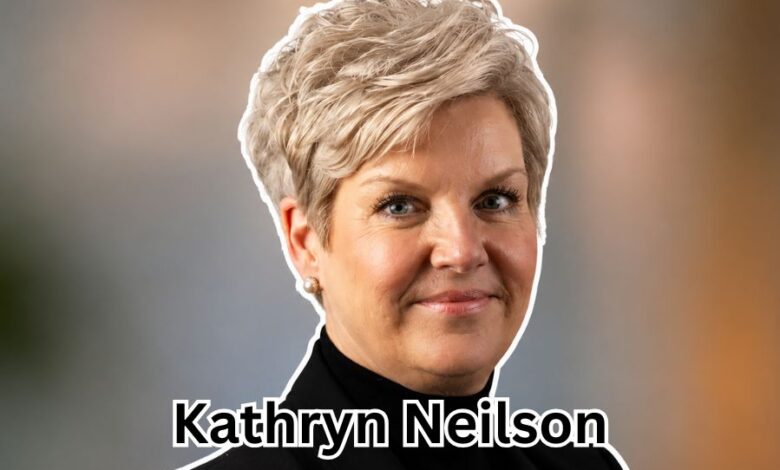
Kathryn Neilson is a respected maritime education and training professional whose career has combined teaching, learning development, safety, compliance and seafarer skills. She became particularly well known through her leadership of the Merchant Navy Training Board (MNTB), where she worked closely with employers, training providers, unions and other maritime stakeholders to strengthen the development of future seafarers. Her professional journey is notable because she did not begin in shipping; instead, she built her early experience in teaching and training before moving into maritime work and eventually taking responsibility for major programs related to cadet education, career promotion, and industry standards.
Over the years, Neilson became a prominent voice in discussions surrounding maritime skills, cadet development, modern training methods and broader access to seafaring careers. Her leadership at the MNTB lasted from August 2017 until May 2026, when she left the organization to pursue a new professional challenge overseas. Her public professional presence has since become associated with the National Maritime Academy in Saudi Arabia, continuing the international trajectory of a career focused on maritime education and workforce development.
Quick Bio
| Field | Details |
|---|---|
| Full Name | Kathryn Neilson |
| Profession | Maritime Education and Training Leader |
| Known For | Leadership in maritime training, cadet development and seafarer education |
| Former Role | Director of the Merchant Navy Training Board |
| MNTB Tenure | August 2017 – May 2026 |
| Industry | Maritime and Shipping |
| Key Expertise | Maritime Training, Education, Skills Development and Career Promotion |
| Early Career | Teaching and Learning Development |
| Previous Maritime Experience | Safety, compliance and cadet training |
| Current Career Direction | International maritime education and training |
Kathryn Neilson’s Early Career in Teaching and Training
Before becoming established in the maritime industry, Kathryn Neilson began her professional career as a teacher. Much of the earlier part of her working life was spent in training and learning development, giving her experience in understanding how people acquire practical knowledge, develop professional competence, and progress through structured education.
This background became particularly valuable when she later entered the maritime sector. Maritime education is not simply about classroom teaching; students and cadets must connect technical knowledge with safety procedures, practical shipboard experience, and internationally recognized standards. A professional who understands both education and workplace training can therefore bring an important perspective to the development of seafarers. Neilson’s transition into maritime work demonstrates how skills developed in one profession can become highly relevant in another.
Moving Into the Maritime Industry
Neilson moved into maritime training around 2011 after an opportunity arose while she was working for a major cruise business. She subsequently worked with Royal Caribbean, where her responsibilities included safety and compliance as well as oversight of UK and international cadet training programs. Her work therefore placed her close to both the regulatory requirements of shipping and the practical realities of preparing people for careers at sea.
That experience provided an important bridge between her earlier career in education and senior maritime leadership. Working with cadets meant understanding not only what trainees needed to learn but also how training could be organized around the operational demands of ships, employers and professional certification.
Kathryn Neilson and the Merchant Navy Training Board
In August 2017, Kathryn Neilson took over responsibility as Director of the Merchant Navy Training Board. The MNTB serves as an important industry body focused on promoting and developing seafarer education, training, and skills in the United Kingdom.
As Director, Neilson’s responsibilities extended across several areas. She oversaw the overall operation of the organization, facilitated technical work, supported programs for new entrants and contributed to careers promotion. She was also involved in managing the Maritime Educational Foundation’s charitable activities, bringing together educational objectives with the broader challenge of preparing the maritime workforce for the future.
Her position required more than administration. Maritime training operates within a complex environment involving employers, colleges, government bodies, professional standards, safety requirements and changing technology. Effective leadership, therefore, depends on maintaining communication among organizations that may approach training from different perspectives.
Improving Maritime Education and Cadet Development
One of the strongest themes in Kathryn Neilson’s work has been the importance of ensuring maritime education remains relevant to the needs of modern shipping. She has emphasized the value of preparing cadets not only for immediate employment at sea but also for longer careers in a global, evolving maritime industry.
During the disruption caused by the COVID-19 pandemic, maritime training faced particular problems because cadets require both academic learning and practical experience. Neilson discussed the industry’s growing use of digital learning and remote collaboration while highlighting the ongoing importance of maintaining training quality despite challenging circumstances. She also stressed the value of transferable skills, recognizing that seafarers may later move between maritime sectors or from shipboard positions into shore-based careers.
This broader approach reflects an important reality about maritime careers. A cadetship can be the beginning of a professional journey rather than a narrowly defined job pathway. Technical knowledge, leadership, safety awareness, problem-solving and operational discipline can remain valuable as individuals progress into management, training, regulation or other shore-based maritime positions.
Supporting Modern Technology in Maritime Training
The maritime sector is increasingly influenced by digital technology, and training methods must evolve alongside it. During Neilson’s tenure, the MNTB was involved in initiatives aimed at making cadet learning more modern and responsive.
One example was the development of electronic Training Record Books, intended to improve the recording and monitoring of cadet progress. Digital systems can give cadets easier access to guidance while helping shipping companies and training providers maintain better oversight of development and identify areas where additional support may be required. Neilson described the move toward digital training records as an important milestone in the modernization of maritime training.
Her interest in modern learning also extended to recognizing innovative educational programs. The wider goal was not technology for its own sake, but the use of appropriate digital tools to strengthen learning, improve consistency and help maritime education adapt to the expectations of a new generation of trainees.
Promoting Careers at Sea
Another important aspect of Kathryn Neilson’s maritime work has been encouraging more people to consider careers within shipping. The industry depends on a continuing supply of skilled seafarers, yet many young people may have limited understanding of what the Merchant Navy does or what career opportunities exist.
Under MNTB initiatives such as Careers at Sea, greater attention was given to explaining the combination of academic study, practical training and life aboard ships. Neilson was involved in career-awareness campaigns intended to reach people beyond traditional maritime communities and demonstrate that shipping offers pathways into technical, operational and leadership roles.
A 2025 documentary project, A Sea of Opportunities: The Making of a UK Merchant Navy Cadet, was designed to give prospective entrants a clearer view of cadet life both ashore and at sea. The project reflected a wider effort to make maritime careers easier to understand by showing the actual training journey rather than presenting the profession only through promotional descriptions.
Kathryn Neilson and Diversity in Maritime Careers
Neilson has also spoken publicly about increasing opportunities for women and people from a wider variety of backgrounds within maritime careers. Shipping has historically been viewed as a male-dominated profession, and attracting a more representative workforce requires both recruitment efforts and an environment in which individuals can develop successful long-term careers.
She has discussed the importance of support networks, structured development opportunities and changing assumptions about who can build a career in the Merchant Navy. Her own progression from teaching into senior maritime leadership also provides an example of a career that did not follow the most traditional route into shipping.
Diversity in maritime employment is significant not only as a recruitment message but also as a means of addressing long-term workforce needs. Broadening awareness can help the industry reach talented candidates who might otherwise never consider seafaring or the wider maritime economy.
Leadership Beyond the Merchant Navy Training Board
Neilson’s maritime involvement has extended beyond the daily operation of the MNTB. She has served as a Maritime Skills Commissioner and participated in broader industry discussions on education, skills, and workforce development. Such roles reflect the interconnected nature of maritime training, where educational policy, recruitment, employer requirements and future technology must be considered together.
In May 2026, her long tenure as MNTB Director ended when Kevin Gregory was appointed to succeed her. The UK Chamber of Shipping stated that Neilson was moving to a new challenge overseas and thanked her for her service to the MNTB, the Chamber and the wider maritime industry. Public professional information now associates her with the National Maritime Academy in Jubail, Saudi Arabia, an institution focused on maritime education and practical training.
The move represents another international stage in a career already shaped by both UK and international cadet training. It also demonstrates how expertise in maritime education can be transferred across national boundaries as countries invest in developing skilled maritime workforces.
Why Kathryn Neilson’s Work Matters
The significance of Kathryn Neilson’s career can be understood through the combination of education, industry leadership and workforce development that has defined her professional work. Shipping depends heavily on competent people, and those people require training systems that can adapt to new technologies, evolving regulations, and changing operational expectations.
By working across teaching, corporate maritime training, safety and compliance, cadet development and industry-level leadership, Neilson has experienced several parts of that system. Her career illustrates the importance of connecting educational theory with practical workplace requirements while continuing to make maritime careers understandable and accessible to future entrants.
Her contribution is therefore not limited to a single program or organization. It forms part of the larger effort to ensure that maritime education remains relevant, professional and capable of producing skilled people for an industry that continues to play a fundamental role in international trade.
Conclusion
Kathryn Neilson has built a distinguished career around education, training and the development of maritime professionals. Beginning as a teacher before moving into training and eventually maritime safety, compliance and cadet development, she brought an education-focused perspective to an industry where practical competence and professional standards are essential.
Her nearly nine years leading the Merchant Navy Training Board from 2017 to 2026 placed her at the center of important conversations about seafarer skills, modern learning, career advancement, diversity, and the future of maritime training. Her involvement in digital training development, cadet programs and careers initiatives further demonstrated a focus on preparing the workforce for changing industry demands.
With her career now continuing internationally, Kathryn Neilson remains associated with the wider mission of developing capable, adaptable and professionally trained maritime talent. Her journey shows how thoughtful education leadership can have an influence far beyond the classroom, contributing directly to the people and skills on which the global maritime industry depends.
(FAQs)
1. Who is Kathryn Neilson?
Kathryn Neilson is a maritime education and training professional known for her leadership in seafarer development, cadet training, and maritime skills. She previously served as Director of the Merchant Navy Training Board.
2. What is Kathryn Neilson known for?
Kathryn Neilson is best known for her work in maritime training, education, career development and workforce skills, particularly through her leadership of the Merchant Navy Training Board from 2017 to 2026.
3. Was Kathryn Neilson Director of the Merchant Navy Training Board?
Yes. Kathryn Neilson became Director of the Merchant Navy Training Board in August 2017 and remained in the position until May 2026, when she left for a new professional opportunity overseas.
4. What did Kathryn Neilson do before joining the maritime industry?
Before establishing her maritime career, Kathryn Neilson worked as a teacher and a learning and development professional. Her educational background later helped shape her approach to cadet training and professional maritime development.
5. How has Kathryn Neilson contributed to maritime training?
Kathryn Neilson has contributed through cadet education, digital training initiatives, career awareness, skills development and diversity efforts, helping maritime organizations prepare future generations of professionally trained seafarers.