Lucia Scalisi: A Conservator Restoring Damaged Paintings
How the BBC’s Paintings Expert Preserves Historic Art and Family Memories

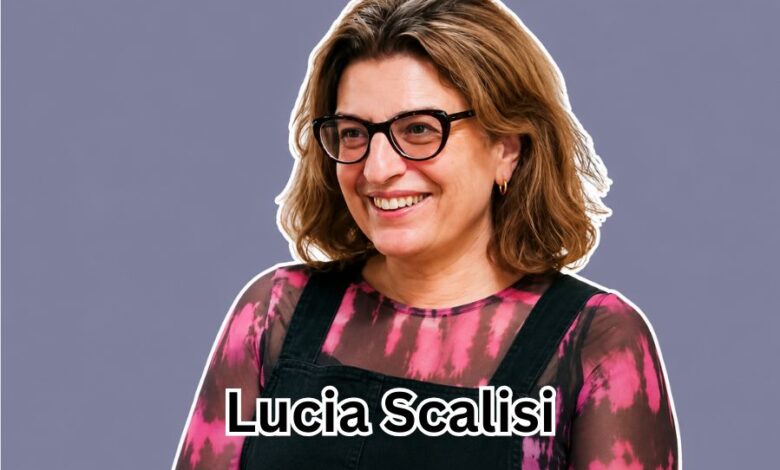
Introduction
Lucia Scalisi is a respected paintings conservator, restoration specialist and television expert best known for her appearances on BBC One’s The Repair Shop. With more than three decades of experience, she has built a career protecting paintings, painted surfaces and culturally important objects from age, neglect, accidental damage and unsuitable previous repairs. Her work combines technical knowledge, artistic sensitivity and a belief that every historic object should be treated with patience and respect.
Television audiences recognise Lucia for her calm manner and the extraordinary care she gives to paintings brought into The Repair Shop. Some arrive covered in dirt or yellowed varnish, while others have torn canvases, unstable paint, water damage or poorly completed repairs. Behind every object is usually a personal story involving a parent, grandparent, local community or important family memory. Lucia’s responsibility is therefore greater than simply improving a painting’s appearance. She must protect its historical integrity, preserve as much original material as possible and return it in a stable condition without erasing the evidence of its age.
Her television work has introduced a wider audience to professional art conservation. Through her explanations, viewers learn that conservation is not an instant transformation and should never be confused with repainting an old picture until it looks new. It is a careful, evidence-based process in which every material and treatment must be considered before work begins.
Quick Bio
| Detail | Information |
|---|---|
| Full Name | Lucia Scalisi |
| Profession | Paintings conservator, restorer and television expert |
| Best Known For | Appearing on BBC One’s The Repair Shop |
| Nationality | British |
| Education | University of Sheffield |
| Specialist Qualification | Diploma in the Conservation of Easel Paintings |
| Former Workplace | Victoria and Albert Museum, London |
| Professional Experience | More than 30 years |
| Main Speciality | Conservation of paintings and painted surfaces |
| Notable Skills | Cleaning, stabilising, repairing and retouching damaged artworks |
Lucia Scalisi’s Early Education and Specialist Training
Lucia Scalisi developed a strong academic foundation before entering conservation. She studied at the University of Sheffield, where she earned a 2:1 Honours degree. Her undergraduate education helped develop the research, observation and historical understanding required for a career involving important works of art.
She later completed a Diploma in the Conservation of Easel Paintings at the University of Northumbria. At the time of her training, the specialist course was associated with Gateshead Technical College. This qualification prepared her for the practical and scientific responsibilities of museum-level paintings conservation.
Easel paintings conservation is a highly specialised discipline. A painting may contain several materials, including a wooden or canvas support, animal-glue sizing, preparatory layers, pigments, oils, resins and protective varnishes. Each component can react differently to light, heat, moisture, dirt and chemical treatments. A qualified conservator must understand how these materials were made, how they have aged and how they are likely to respond to treatment.
Lucia’s training therefore involved far more than learning how to paint or match colours. It required knowledge of chemistry, art history, studio practice, historical techniques, documentation and professional ethics. These subjects gave her the ability to examine a damaged painting as both a work of art and a complex physical object.
Building a Museum Career at the Victoria and Albert Museum
After completing her specialist training, Lucia Scalisi began her conservation career at London’s Victoria and Albert Museum, one of the world’s leading institutions for art, design and decorative objects. Working in a museum environment allowed her to gain experience with historically important paintings and painted surfaces while following strict professional standards.
Her career at the V&A eventually included work as a senior conservator of paintings. This role involves more than carrying out visible repairs. Museum conservators assess condition, document changes, investigate materials, advise on safe display conditions and help prepare works for exhibitions, storage or transport. They may also work alongside curators, scientists, photographers, collection managers and art historians.
The experience strengthened Lucia’s understanding of preventive conservation. Sometimes the safest treatment is improved environmental protection rather than extensive physical intervention. Controlling light, humidity, temperature, handling and storage can prevent further damage before it begins. This principle remains central to professional conservation because repeated or unnecessary treatments may create more problems than they solve.
Her museum background also shaped her cautious approach. Rather than attempting to make every old painting appear newly created, she works to stabilise, understand and preserve it. Age can be an important part of an object’s history, and a responsible conservator must distinguish between harmful damage and natural evidence of time.
Conservation and Restoration Are Not Exactly the Same
Although the words conservation and restoration are often used interchangeably, they do not always describe the same philosophy. Restoration generally focuses on returning an object closer to a previous appearance. Conservation has a broader purpose: protecting original material, slowing deterioration and ensuring that any treatment is carefully controlled.
For Lucia Scalisi, respecting the original artist’s work is essential. A conservator should not use personal taste to redesign a painting, sharpen every faded detail or cover every sign of age. The aim is to make the image understandable and stable while avoiding unnecessary changes.
Modern conservation treatments are also expected to be reversible wherever reasonably possible. This means materials used for filling or retouching should be removable in the future without damaging the original paint. Conservation knowledge continues to develop, so a treatment considered suitable today may eventually be replaced by a safer or more effective method.
Documentation is another important difference between professional conservation and casual repair. Before beginning treatment, a conservator records the painting’s condition through photographs, written notes and close examination. Previous interventions, missing paint, tears, cracks and unstable areas are identified. The process creates a valuable record for future conservators and owners.
How Lucia Scalisi Examines a Damaged Painting
When a painting arrives for assessment, Lucia does not immediately begin cleaning or retouching it. The first stage is careful examination. She studies the support, paint surface, frame and any visible signs of earlier repair. A distorted canvas, lifting paint or darkened varnish can reveal important clues about the object’s history.
Surface dirt may be caused by smoke, dust, pollution or years of handling. Beneath it, old varnish may have turned yellow or brown, changing the balance of the original colours. However, cleaning cannot be approached with a single standard solution. The conservator must determine whether the surface is sensitive to moisture, solvents or pressure before selecting a treatment.
Small tests may be carried out in unobtrusive areas. These help establish which materials can safely remove dirt or degraded varnish without affecting original paint. The process can be slow because different colours and paint layers may react differently. A treatment suitable for one section may be unsafe for another.
Structural damage also requires careful planning. Tears in canvas may need to be aligned and supported from behind, while loose paint must be secured before cleaning can continue. Missing areas may be filled to create a level surface and then retouched with conservation colours. The new colour is applied only where the original paint is absent, allowing the image to be appreciated without covering surviving material.
Lucia Scalisi on The Repair Shop
Lucia Scalisi became part of The Repair Shop when the programme began in 2017. The series brings together experienced craftspeople and conservators who repair objects carrying strong personal or historical significance. Lucia serves as the programme’s specialist in paintings and painted surfaces.
Her appearances often begin with a detailed conversation about the painting’s history. Owners explain who created or owned it, why it matters and how it became damaged. These discussions give the object emotional context, but Lucia must then move from the family story to a professional condition assessment.
Some of her most memorable projects have involved heavily damaged portraits, torn canvases and paintings affected by previous restoration attempts. Her work has included the conservation of a painting by British landscape artist Frederick Appleyard, an oil portrait connected to artist Cyril James Frost and a miniature associated with the celebrated nineteenth-century artist Sarah Biffin.
These projects demonstrate the range of problems that can affect painted works. A portrait may have flaking paint, a discoloured surface or an old patch placed behind a tear. A miniature may require collaboration with another specialist because its support and materials differ from those of a traditional oil painting.
Lucia’s contribution to the programme is especially valuable because she explains complex decisions without making them sound mysterious. Viewers see that a successful result depends on testing, restraint and many hours of concentrated work. The final reveal may be emotional, but the transformation is supported by professional judgment rather than television drama.
Why Family Paintings Can Be Historically Important
Not every painting Lucia treats is a famous masterpiece, but financial value is not the only measure of importance. A modest family portrait may be the only surviving image of an ancestor. A landscape may record a home, workplace or community that no longer exists. Even an amateur painting can reveal information about family relationships, social history and personal identity.
This is one reason The Repair Shop resonates so strongly with viewers. The objects are valuable because of the stories attached to them. Lucia’s work helps families reconnect with those stories by making damaged images visible again without removing their character.
Conservation can also reveal unexpected details. Cleaning may uncover colours hidden beneath old varnish, while close examination can expose changes made by the artist during the painting process. Previous repairs may provide evidence of how earlier generations cared for the object, even when those repairs were not technically successful.
Her Knowledge of Pigments and Historic Materials
A major part of Lucia Scalisi’s expertise is her understanding of pigments, binders, varnishes and historical painting techniques. Artists have used materials ranging from natural earth colours and mineral pigments to modern synthetic paints. Some are remarkably stable, while others fade, darken or react with surrounding materials.
Knowledge of pigments can help a conservator estimate when a painting was produced, understand how the artist worked and select suitable materials for treatment. It can also prevent dangerous mistakes. Certain traditional pigments contain toxic substances, including lead or arsenic, and must be handled with appropriate care.
Modern paintings create different challenges because artists have experimented with household paints, industrial coatings, plastics and synthetic resins. These materials do not always age like traditional oil paint. A conservator must therefore continue studying throughout their career rather than relying only on methods learned during initial training.
Lucia has consistently supported continuous professional development, reflecting the wider conservation principle that treatments should be guided by current research and careful observation.
Continuing Public Work and Education
Lucia Scalisi’s influence extends beyond individual conservation projects. Through television, professional work, lectures and public events, she helps people understand why cultural heritage deserves specialist care.
Her public-facing work remained active in 2026. In March, she was featured in a painting-conservation event at Ferens Art Gallery in Hull, where audiences were offered an opportunity to learn more about discoveries, techniques and stories from her career. Such appearances show that her role is not limited to working privately behind a studio door. She is also contributing to public education and encouraging greater appreciation of conservation as a profession.
This educational work may help protect privately owned paintings as well. After seeing the complexity involved, viewers are less likely to clean an old picture with household products or hand it to an untrained repairer. They become more aware that apparently simple actions can permanently remove original paint or damage a fragile surface.
A Private Expert Known Through Her Professional Work
Despite her television recognition, Lucia Scalisi has kept much of her private life outside the public spotlight. Reliable information about her husband, children, age and personal finances is limited, and these details are not necessary for understanding her professional contribution.
Her public identity is built primarily around her training, conservation experience and respect for historic art. This distinction is important because online profiles sometimes fill gaps with unsupported claims. A responsible account of her life should concentrate on verified career information rather than speculation about private matters.
Why Lucia Scalisi’s Work Matters
Lucia Scalisi represents a profession that often works quietly but has a lasting cultural impact. Without paintings conservators, many works would continue to deteriorate until their images, materials and historical information were permanently lost.
Her career demonstrates that conservation requires an unusual combination of abilities. It needs the steady hands of a craftsperson, the visual understanding of an artist, the analytical thinking of a scientist and the historical awareness of a researcher. It also requires humility. The conservator’s work should support the original object rather than compete with it.
Through The Repair Shop, Lucia has made these principles understandable to millions of viewers. She shows that preserving a painting is not about hiding every crack or making an old object appear brand new. It is about deciding what the painting needs, carrying out only justified treatments and protecting its story for those who come next.
Conclusion
Lucia Scalisi has built a remarkable career by combining scientific knowledge, artistic sensitivity and deep respect for cultural heritage. Her formal education, specialist paintings-conservation training and museum experience at the Victoria and Albert Museum established the foundation for more than three decades of professional work.
Her role on The Repair Shop has brought paintings conservation into homes across Britain and beyond. By carefully examining damaged works, explaining her decisions and treating original material with restraint, she has shown audiences what responsible conservation truly involves.
Whether she is working on a historically significant artwork or a modest portrait treasured by one family, Lucia approaches the object with the same central purpose: to protect what survives, recover what can safely be revealed and preserve the painting’s meaning for the future. That combination of knowledge, patience and humanity is what makes Lucia Scalisi one of television’s most trusted and inspiring art-conservation experts.
(FAQs)
Who is Lucia Scalisi and why is she famous?
Lucia Scalisi is a respected paintings conservator, restoration expert and television personality. She is best known for restoring damaged paintings and painted objects on BBC One’s The Repair Shop.
What does Lucia Scalisi do professionally?
Lucia Scalisi examines, preserves and restores paintings affected by dirt, ageing, torn canvases, unstable paint, discoloured varnish and earlier repairs. Her main goal is to protect the original artwork and its historical integrity.
Where did Lucia Scalisi receive her training?
She studied at the University of Sheffield and later completed specialist training in the conservation of easel paintings at the institution associated with Northumbria University and formerly known as Gateshead Technical College.
When did Lucia Scalisi join The Repair Shop?
Lucia Scalisi has appeared on The Repair Shop since the programme began in 2017. She works as the show’s specialist conservator for paintings, portraits, decorative surfaces and related artworks.
Did Lucia Scalisi work at the Victoria and Albert Museum?
Yes, Lucia Scalisi developed an important part of her professional career at London’s Victoria and Albert Museum. Her museum experience helped establish her expertise in painting conservation and preventive care.
How does Lucia Scalisi restore damaged paintings?
She begins by examining and documenting the painting before testing safe treatment methods. Depending on its condition, the process may involve surface cleaning, varnish removal, securing loose paint, repairing tears, filling losses and carefully retouching missing areas.
Is Lucia Scalisi married or does she have children?
Lucia Scalisi keeps her personal and family life private. Reliable public information about her husband, relationship status or children is limited, so unsupported online claims should be treated cautiously.
Why is Lucia Scalisi’s conservation work important?
Her work helps preserve historic art, family memories and original artistic materials for future generations. She also teaches viewers that professional conservation requires scientific knowledge, patience and respect for the artist’s original work.