Yunus Mulla: The Inspiring Voice of Trust and Integrity in British Journalism
How Yunus Mulla Built a Respected Broadcasting Career Through Courageous Reporting, Community Storytelling, and a Commitment to Public-Service Journalism.

Introduction
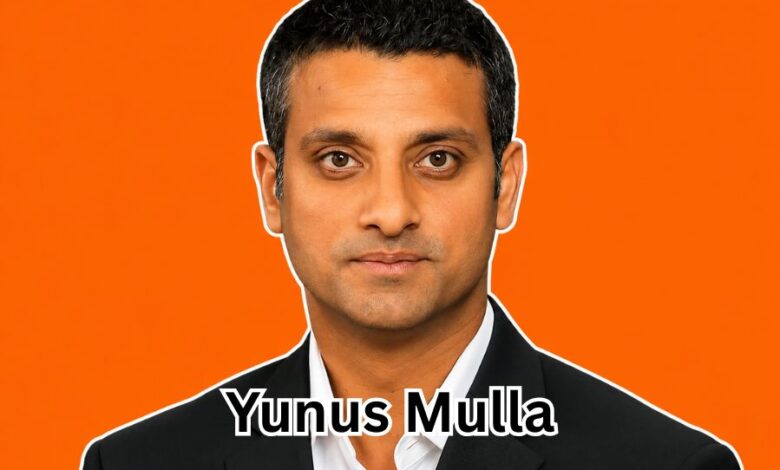
At a time when audiences are surrounded by breaking alerts, viral claims and rapidly changing online narratives, the value of a calm and experienced reporter has become increasingly clear. Yunus Mulla represents the kind of broadcast journalist whose work is shaped not by personal celebrity but by the responsibility of explaining events accurately, respectfully and in language that ordinary viewers can understand.
Mulla is publicly identified as a Senior Broadcast Journalist at BBC News, working from the Manchester area and reporting across North West England. His professional identity is closely connected with BBC One’s regional news program North West Tonight. However, his reports can also be seen through BBC Breakfast, the wider BBC News service and the organization’s digital platforms.
His career is important because regional journalism often carries the stories that affect people most directly. Court proceedings, transport safety, hospital concerns, local politics, community campaigns and family tragedies may begin as local events, but they frequently expose questions with national importance. Through years of field reporting, live broadcasting and sensitive interviewing, Yunus Mulla has developed a professional profile centered on clarity, experience and public-service journalism.
Quick Bio
| Detail | Information |
|---|---|
| Full Name | Yunus Mulla |
| Profession | Broadcast Journalist and News Correspondent |
| Current Role | Senior Broadcast Journalist |
| Organisation | BBC News |
| Regional Programme | BBC North West Tonight |
| Work Location | Manchester and North West England |
| Previous Broadcasters | ITV, GMTV and Sky News |
| Main Reporting Areas | Breaking news, court cases, public safety and community stories |
| Known For | Calm, clear and sensitive television reporting |
| Nationality | British |
Who Is Yunus Mulla?
Yunus Mulla is an experienced news correspondent best known for his work with BBC News and BBC North West Tonight. His verified professional profile identifies him as a BBC reporter based in England, while his LinkedIn information describes him as a senior broadcast journalist working in the North West.
The regional nature of his position does not limit his audience. Stories produced for North West Tonight can appear on national television, BBC Breakfast and BBC News when they involve wider public interest. This means Mulla’s responsibilities extend beyond delivering a prepared television package. He may be required to report live from a developing scene, interview affected families, question officials and prepare material for both television and online publication.
Unlike media personalities whose private lives become part of their public image, Mulla has kept the focus firmly on his journalism. Reliable public sources provide little confirmed information about his age, family background, relationship status or education. Those details should not be invented to make a biography appear more complete. What is clearly documented is his broadcasting experience, BBC position and continuing record of regional reporting.
Yunus Mulla’s Journey Through British Broadcasting
Experience With Major News Organizations
Yunus Mulla’s professional website describes a career involving appearances on BBC, ITV, GMTV and Sky News. He presents himself as a correspondent with many years of experience who is comfortable handling both serious breaking news and more creative, reporter-led features.
One of the earlier assignments mentioned on his website involved reporting live from Leeds during the security raids that followed the London bombings. The experience illustrates his ability to work in an uncertain, fast-moving environment where information must be communicated carefully and responsibly. His website also emphasizes that he has covered an unusually broad range of stories during his career.
Working across several broadcasters can give a journalist valuable professional range. Rolling news demands speed and precision, while regional evening programs require detailed local knowledge and strong human storytelling. Breakfast television presents another challenge, as complex developments must be explained clearly to a large and varied audience.
Mulla’s background across these formats suggests an ability to adjust his presentation without abandoning the basic disciplines of journalism. Authority on camera is not simply a confident voice or polished appearance. It depends on preparation, knowledge of the story, careful listening and a willingness to distinguish confirmed facts from information that is still developing.
Building a Strong Connection With North West England
North West England is more than the location from which Yunus Mulla reports. It is the central landscape of his work. Greater Manchester, Lancashire, Blackpool, Preston, Bolton and neighboring communities appear regularly across his reporting portfolio.
Long-term regional experience allows a correspondent to understand the history behind local disputes, recognize the importance of public institutions and identify the people most affected by political or administrative decisions. That knowledge can produce deeper reporting than would be possible for someone encountering the area only occasionally.
It also explains why Mulla’s portfolio moves naturally between major investigations and smaller community stories. A regional journalist might cover a fatal incident, attend a court hearing and report on a local campaign within the same working week. The job requires emotional control, practical adaptability and respect for interviewees, particularly when people are speaking during moments of grief or uncertainty.
The Reporting Style Behind His Professional Reputation
Calm Reporting During Difficult Stories
Many stories associated with Yunus Mulla involve people experiencing loss, anger, fear or frustration. His published work has covered court cases, inquests, fatal accidents, hospital treatment, online abuse, unresolved disappearances and alleged failures by public bodies.
Such subjects require more than a clear voice and a professional television presence. A reporter must communicate the seriousness of an event without sensationalizing another person’s suffering. The language must remain accurate, while interviews with affected families need to be handled with patience and dignity.
Mulla’s reports commonly place the experiences of individuals and families at the center while also explaining the institutional context around them. That may involve court evidence, police statements, medical findings, council decisions or calls for policy reform. Trustworthy journalism depends on proportion: human consequences must be visible, but allegations, proven facts and unanswered questions must remain clearly separated.
Turning Local Events Into Meaningful Public Stories
A strong regional correspondent also recognizes when a local incident reflects a wider national concern. Mulla’s reporting has addressed subjects including dangerous social-media trends, patient care, grooming-gang inquiries, domestic abuse, transport safety and voter priorities.
Each story begins with particular people in a particular community, but the questions raised can extend much further. A dangerous level crossing, for example, is not only a Lancashire concern; it may prompt broader questions about railway warning systems. A family’s criticism of hospital treatment can become part of a larger discussion about patient safety and accountability.
This is why regional reporting remains essential in a media environment often dominated by national headlines. It creates a detailed record of events that might otherwise be reduced to a brief alert or social-media post. Through interviews and on-location reporting, correspondents such as Yunus Mulla show how public policies and institutional decisions affect real lives.
Yunus Mulla’s Latest Reporting in 2026
By July 2026, Mulla’s recent portfolio continued to demonstrate a combination of serious public-interest reporting and community-focused storytelling.
A report published on July 19, 2026, produced with Ollie Samuels, examined fears among Lancashire residents following a fatal collision at a level crossing. The report addressed concerns that warning systems may not have activated before an approaching train, placing the community’s anxiety within the context of an ongoing safety investigation.
Earlier that month, Mulla and journalist Lauren Hirst reported on an exhibition of 150 pairs of blue shoes in Blackpool. The display was connected with domestic-abuse awareness and the death of Kiena Dawes. The story required particularly sensitive reporting because it combined a public memorial with traumatic personal circumstances.
In June, Mulla also contributed to a lighter cultural report about schoolchildren performing for the Foo Fighters before the band’s concert at Anfield. Taken together, the three stories show the range required of an experienced regional journalist: one dealt with transport safety, another with domestic abuse awareness and the third celebrated an extraordinary opportunity for young musicians.
His reporting during 2025 and early 2026 showed similar depth. His published work included coverage of a campaign to save a historic Lancashire church, a funeral following a deadly Bolton crash, alleged council failures linked to flooding deaths and the story of a Blackpool foodbank volunteer who decided to give something back after previously receiving support herself.
Mulla also reported on a mother’s continuing campaign for answers following her daughter’s disappearance and on court proceedings involving serious violent crime. The subjects differ greatly, but they share a consistent theme: local people seeking answers, accountability, recognition or meaningful change.
Why Regional Broadcast Journalism Still Matters
Regional news is sometimes treated as less important than national politics or international events, but that view overlooks its democratic value. Local journalists follow councils, courts, hospitals, transport networks, police forces and community organizations whose actions have an immediate effect on everyday life.
They also preserve stories that could disappear without sustained attention. When residents question the safety of public infrastructure, when a family challenges an institution or when a community fights to protect a valued service, a regional correspondent can ensure those concerns are heard beyond the immediate area.
Yunus Mulla’s career offers a practical example of this responsibility. His reports do not depend upon theatrical commentary to carry weight. Their importance comes from being present, gathering evidence, asking understandable questions and giving viewers enough context to recognize why an event matters.
The position has become increasingly demanding as television, websites and social platforms operate together. A modern broadcast journalist may gather video, interview witnesses, write online copy, deliver live updates and adapt the same developing story for several audiences.
Mulla’s presence across North West Tonight, BBC Breakfast, BBC News and digital reporting reflects that changing environment. The modern correspondent must be both a broadcaster and a multi-platform storyteller, capable of working quickly without sacrificing accuracy.
A Career Defined by Journalism Rather Than Publicity
One of the most notable features of Yunus Mulla’s public profile is its restraint. There is little evidence that he seeks attention outside his professional work. His website centers on his experience as a news correspondent, while his visible professional profiles focus on his BBC responsibilities and published reporting.
This approach supports his reputation as a dependable broadcasting figure. The power of his work does not come from dramatic opinions or an aggressively promoted personal brand. It comes from professional consistency and the ability to guide audiences through complicated, painful or rapidly evolving events.
Trust should never be treated as a decorative word in journalism. It is earned through accuracy, fairness and responsible treatment of sources. A reporter must recognize the difference between providing emotional context and exploiting emotion. Mulla’s reporting portfolio demonstrates the importance of allowing people to tell their stories while maintaining the factual structure audiences expect from established public-service news.
Conclusion
Yunus Mulla has developed a substantial career as a British broadcast journalist with a strong connection to BBC News and BBC North West Tonight. His previous work across the BBC, ITV, GMTV and Sky News helped create a versatile on-screen presence. At the same time, his long association with North West England has given his reporting a distinct regional identity.
From breaking news and court proceedings to community campaigns and human-interest features, he has demonstrated the flexibility required of an experienced correspondent. His latest reporting in 2026 confirms that he remains active across stories involving transport safety, domestic-abuse awareness and local culture.
More importantly, his career demonstrates why regional journalism continues to matter. It scrutinizes public institutions, gives affected families and communities a voice and connects individual experiences with wider social concerns. Yunus Mulla’s strongest professional quality is not celebrity but dependable presence—the steady ability to report with clarity, sensitivity and purpose when audiences need trustworthy information most.
(FAQs)
Who is Yunus Mulla in British journalism?
Yunus Mulla is an experienced British broadcast journalist and news correspondent associated with BBC News and BBC North West Tonight. He is recognized for reporting on breaking news, court proceedings, transport safety, community campaigns and other important stories from North West England.
Where does Yunus Mulla currently work?
Yunus Mulla works as a Senior Broadcast Journalist at BBC News. His reporting is particularly connected with BBC North West Tonight, although his work may also appear on BBC Breakfast, national BBC News programs and the BBC’s digital platforms.
What type of stories does Yunus Mulla report?
Yunus Mulla reports on a wide range of subjects, including public safety, criminal cases, local government, healthcare concerns, community events and human-interest stories. His work frequently focuses on how major events and institutional decisions affect individuals, families and local communities.
Has Yunus Mulla worked for other broadcasters?
Yes, Yunus Mulla has professional experience involving several leading British broadcasters. His publicly available career information connects him with the BBC, ITV, GMTV and Sky News, demonstrating his ability to work across regional television, national news and live broadcasting formats.
Why is Yunus Mulla considered a trusted journalist?
Yunus Mulla is considered a dependable journalist because of his calm reporting style, extensive broadcasting experience and sensitive handling of serious stories. Rather than focusing on personal publicity, he has built his professional reputation through accurate reporting, clear explanations and respectful interviews with affected people.