India McTaggart: The Remarkable Journalist Bridging Royal News and Entertainment Culture
How The Telegraph Correspondent Built Her Career Covering Royalty, Entertainment and British Culture

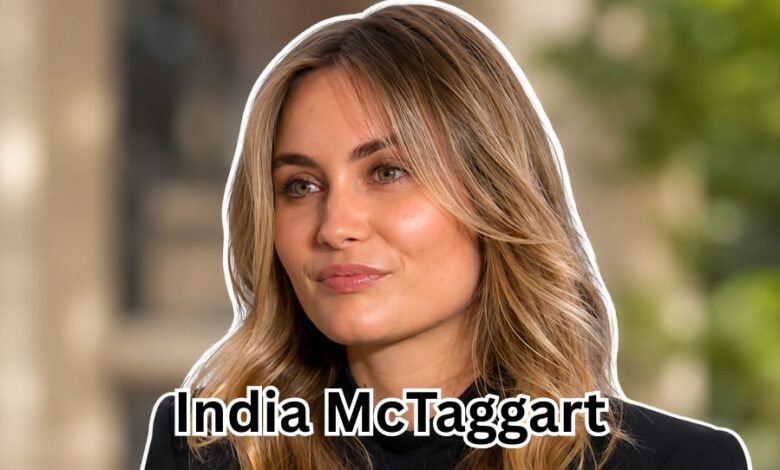
India McTaggart has established a clear place in British journalism by covering two subjects that draw intense public attention: the Royal family and the entertainment industry. As Entertainment and Royal Correspondent at The Telegraph, she reports on institutions, personalities and cultural moments often shaped by speculation, emotion and fast-moving public debate. Her role requires news judgment, careful sourcing and the ability to show why a seemingly glamorous story can also carry political, social or cultural significance.
Her professional profile has become increasingly visible as her reporting appears in a major national newspaper and is republished across international platforms. Yet India McTaggart remains better known for her byline than for sharing extensive details about her private life. That balance matters because the public record presents her mainly as a working journalist whose reputation is being built through reporting, interviews and analysis rather than celebrity-style self-promotion.
This article focuses on India McTaggart’s professional background, her development at The Telegraph, the demands of covering royalty and entertainment, and the qualities that make her work relevant in modern digital journalism. It also separates verified career information from personal claims that remain private or unconfirmed.
Quick Bio
| Field | Details |
|---|---|
| Full Name | India McTaggart |
| Profession | Journalist |
| Current Role | Entertainment and Royal Correspondent |
| Employer | The Telegraph |
| Based In | London, England, United Kingdom |
| Nationality | British |
| Main Coverage Areas | Royal family, entertainment, culture, film and television |
| Previous Role | Acting Royal Correspondent and News Reporter |
| Education | University of Southern California |
| Known For | Reporting on British royalty and entertainment news |
Who Is India McTaggart?
India McTaggart is a London-based journalist who works for The Telegraph as its Entertainment and Royal Correspondent. The role combines two demanding editorial beats. Royal reporting involves public institutions, state occasions, charitable work and the lives of globally recognised figures. Entertainment reporting covers film, television, music, theatre, celebrity culture and the wider creative industries. Handling both areas gives McTaggart a broad brief that moves between formal national events and rapidly changing cultural stories.
Her appointment to the combined role was announced in September 2023. Before that, she had worked as an acting royal correspondent and, earlier, as a news reporter at the same publication. This progression suggests a career built through increasingly specialised newsroom responsibilities rather than an abrupt move into a prominent title.
Interest in McTaggart has grown partly because readers increasingly want to know more about the journalists behind widely circulated stories. People may encounter her name beneath a report about a senior royal, a film release, an actor or a major cultural event, then search for her background. What they find is a professional identity centered on journalism, with limited verified information about her personal affairs.
India McTaggart’s Career at The Telegraph
From General News Reporting to a Specialist Role
A correspondent normally begins by mastering the fundamentals of daily news: confirming information, meeting deadlines, contacting sources, finding the strongest angle and writing clearly under pressure. McTaggart’s earlier work as a news reporter would have provided that foundation. General reporting teaches discipline because facts can be incomplete, stories develop quickly, and public statements must be examined carefully.
Her later work as acting royal correspondent represented a move into a more specialised field. Royal coverage demands familiarity with titles, traditions, official engagements and the distinction between constitutional duties and personal activity. Small errors can be amplified because royal stories attract international audiences and are quickly repeated by broadcasters, websites and social media accounts.
In 2023, The Telegraph appointed her as Entertainment and Royal Correspondent. The combined brief widened her responsibilities while linking two areas that often overlap. Members of the Royal family attend premieres, support arts organisations and interact with well-known performers. Films, television dramas and documentaries also reinterpret royal history. A journalist covering both fields can follow stories across institutional, cultural and popular contexts.
Speed, Accuracy and Editorial Responsibility
The title “correspondent” may sound glamorous, but the daily work is practical and demanding. It can involve monitoring announcements, reading official statements, speaking to representatives, attending press events, preparing interview questions and updating copy as new facts emerge. Speed matters, but accuracy matters more, particularly when stories concern reputation, grief, family conflict or public controversy.
Her work also circulates beyond The Telegraph through syndication, making precise wording especially important for international readers.
Why Royal Reporting Requires More Than Celebrity Coverage
Reporting on an Institution and a Family
Royal journalism is sometimes treated as a form of celebrity reporting, but the beat is more complicated. The monarchy is both a family and a public institution. Senior royals perform official duties, represent national traditions and participate in events with diplomatic, charitable or constitutional importance. A responsible correspondent must therefore distinguish between public responsibility, personal interest and legitimate scrutiny.
A useful royal reporter needs historical awareness without allowing ceremony to overwhelm the immediate facts. Coverage of a state event may require knowledge of protocol. A story about official spending may demand careful explanation of accountability. Reporting on family tensions requires restraint because the line between public relevance and private speculation can easily become blurred.
McTaggart has worked on the royal beat during a period of major change following the death of Queen Elizabeth II and the accession of King Charles III. That era brought new roles for senior family members, global attention and continuing debate about the monarchy’s future. Reporting in such an environment requires context, consistency and a willingness to avoid presenting rumour as fact.
India McTaggart’s Entertainment Journalism
Looking Beyond Red-Carpet Headlines
Entertainment journalism extends far beyond premieres, celebrity interviews and awards ceremonies. It can examine how films are made, how television reflects social change, how performers discuss their work and how creative industries respond to technology, politics and audience expectations. McTaggart’s role places her within this broader cultural conversation.
Her reporting portfolio includes stories involving actors, musicians, filmmakers, television personalities and major productions. The value of such work does not depend only on the fame of the subject. A strong entertainment report can explain why a production matters, what a public statement reveals about an industry or how a cultural trend connects with larger debates about representation, employment or artistic freedom.
The beat also changes quickly. A planned feature can be overtaken by breaking news, while a casual comment in an interview may become the central headline. Journalists must preserve context and resist turning every remark into manufactured outrage. Good entertainment reporting combines accessibility with editorial discipline, giving readers an engaging story without reducing the subject to gossip.
Where Royalty and Popular Culture Meet
McTaggart’s combined position becomes especially relevant when royal identity intersects with popular culture. Television dramas about royal history, documentaries, memoirs, streaming projects and celebrity relationships can all become significant news stories. These subjects demand an understanding of both media production and the monarchy’s public role.
Entertainment products may dramatise events, while journalism must distinguish artistic interpretation from documented fact. A correspondent familiar with both fields is better placed to explain that difference. Instead of treating a drama as history or dismissing it as mere fiction, the reporting can examine its claims, context and cultural impact.
Education and Early Professional Development
Public career information associates India McTaggart with the University of Southern California, where she studied subjects connected with journalism and philosophy. That combination is relevant to her profession. Journalism develops practical skills in research, interviewing and storytelling, while philosophy encourages close reasoning, ethical reflection and careful attention to language.
Available career profiles also indicate that she gained early experience through media placements before establishing herself at The Telegraph. Such roles develop practical judgment through editing, reporting practice and real deadlines, while also proving that a journalist can handle sensitive material and deliver accurate copy under pressure.
McTaggart’s progression shows how a specialist reputation can grow from broad news experience. She appears to have built general newsroom skills first, then moved toward royal and entertainment coverage. That sequence is significant because specialist reporting is strongest when it rests on solid reporting fundamentals.
Her Public Identity and Private Boundaries
Her work largely defines India McTaggart’s public identity. Her professional profiles describe her as an entertainment and royal journalist, and her byline is connected with news reports, interviews, and culture-focused stories. She also maintains a professional social-media presence, where journalists commonly share published work and remain accessible to potential sources.
What stands out is the separation between professional visibility and personal disclosure. Search interest may include questions about her age, family, relationship status, or background, but many such details are not reliably confirmed in authoritative public sources. A responsible biography should not fill those gaps with guesses copied from low-quality websites. The absence of verified personal information reflects a reasonable boundary for a journalist who does not present her private life as part of her public career.
Journalists can become recognisable without becoming celebrities themselves. McTaggart’s relevance comes from the stories she reports, the access she develops and the editorial responsibility attached to her position.
Why India McTaggart Matters in Modern Media
Modern newsrooms need reporters who can move between traditional journalism and digital distribution. Stories now appear across websites, mobile alerts, video discussions, newsletters, social media and syndicated platforms. A correspondent must write for immediate publication while understanding that the same work may later be summarised or discussed in very different settings.
McTaggart’s dual specialism reflects this environment. Royal news carries historical and institutional weight, while entertainment coverage captures fast-moving cultural attention. Bringing the two together requires versatility and creates opportunities to explain how power, image, tradition and popular culture influence one another.
Her career is still developing, so it would be premature to define her by one story or claim a finished legacy. What can be said confidently is that she holds a visible reporting role at a major British newspaper and covers subjects with substantial national and international interest. Her progression from news reporting to a combined correspondent position is the clearest measure of her professional growth.
Conclusion
India McTaggart is best understood as a journalist building her reputation through consistent work on two demanding and closely connected beats. As The Telegraph’s Entertainment and Royal Correspondent, she reports on the British monarchy, public figures, cultural events and the creative industries while navigating the speed and scrutiny of digital news.
Her progression from general news reporting to acting royal correspondent and then to her current combined role shows a steady expansion of responsibility. Royal journalism requires institutional knowledge and restraint, while entertainment reporting demands cultural awareness, agility and an ear for meaningful detail. McTaggart’s position brings those skills together.
Although public curiosity about her personal life continues, the strongest verified picture remains professional rather than private. India McTaggart’s significance lies in her reporting, her growing body of published work and her role in helping readers understand how royalty, celebrity and culture intersect in contemporary Britain.
(FAQs)
Who is India McTaggart and what does she do?
India McTaggart is a British journalist based in London. She works as the Entertainment and Royal Correspondent at The Telegraph, covering the Royal family, celebrities, films, television, culture and major entertainment stories.
Where does India McTaggart currently work?
India McTaggart currently works at The Telegraph, a leading British national newspaper. Before taking on her combined correspondent role, she worked as a general news reporter and an acting royal correspondent for the publication.
What subjects does India McTaggart usually cover?
Her reporting mainly focuses on British royal news, entertainment, television, films, celebrities and cultural developments. Her combined position allows her to report on stories where the monarchy, media and popular culture overlap.
What is India McTaggart’s educational background?
Public professional information associates India McTaggart with the University of Southern California, where she studied subjects related to journalism and philosophy. Her education helped develop the research, writing, and analytical skills needed for professional reporting.
Is India McTaggart’s personal life publicly known?
India McTaggart keeps most details about her private life away from public attention. Reliable information about her age, family, relationship status and personal background remains limited, so unverified claims should not be presented as facts.